“One Day Isle”

Feelings of inadequacy have been at the heart of my life before landing in recovery. I often shudder with thoughts of how I failed to present authenticity for fear of rejection. When mixed with the flammable nature of toxic shame, my acting out, there was little chance I would have ever been able to put my hand up and say, “I have a problem and I need help.”

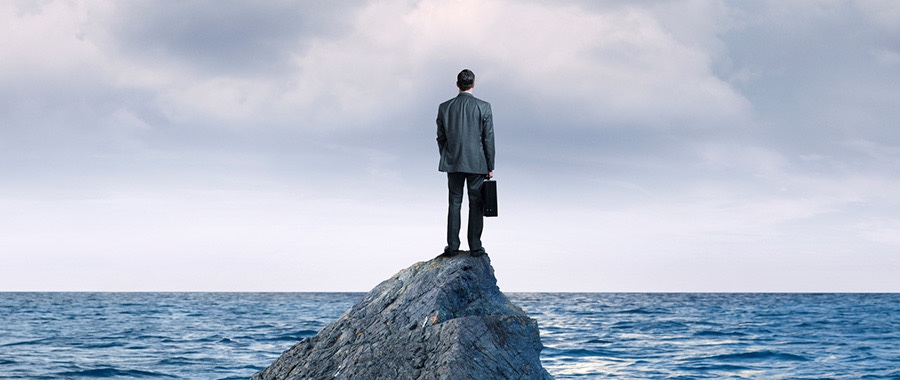
The years of isolation this led to left me feeling like I was a castaway on an island. I’ve written about this analogy before, but to use the illustration of an island, I kept myself hostage with the countless promises of “one day,” not the one day at a time, but the decades-long kicking the can down the road lie that I will have a handle on my addiction, I could tame the beast in me, and no one need ever find out.

Whether it be that job, or when I achieve this goal, or if I get this or that type of girlfriend, if I lose weight, if I can just pay my debts, if I just stick to this and not that, all were excuses to avoid the mirror of accountability.

My addiction was propped up with cognitive distortions and unaddressed trauma. However much the world and even myself at times tried to make it a moral failing, the fact remains there was a narrative or a story I needed to discover. I got triggered by that word before, “narrative,” like it was somehow thinking up an excuse to minimize or wriggle out of owning my deeds. The truth is no human in their right mind would spend the time in obsession, sleeplessness, and fantasy that I called home.

My partner and I recently parked the camper van along the coast. I decided I would nip to the shop, and when I realized the one I had in mind was closed, I rang her up to say I would be a bit longer. We still have the boundary that we keep in touch closely. Since being in a dark place of seeing my own demise as an option or justice, it’s a consideration on my part to check in and not leave too much room for fear of the worst.

“I won’t be long, babe. Hang on a sec; there’s a lad here playing some worship songs.” I teared up at the memory of a younger me singing love songs to a higher power I wasn’t ready to surrender to in deed. Those songs of my youth were sentiment but lacked the substance that my rock bottom would give me. I was young, well-meaning but already on a path of addiction back then.

This sparked a thought about the concept of one’s inner child. In my years of working numerous jobs, I have a pile of old business cards. Why I kept them, I don’t know. Perhaps the hoarder in me didn’t chuck them out.

One of the business cards featured a picture of a much younger me, eleven years old, wearing my Granddad’s flat cap, a look I still rock to this day. I stared at the face of little me, and at eleven years old, the thought that that kid in a years’ time would start pouring limitless amounts of top-shelf magazines and within a further year make the jump to VHS and all sorts of hardcore content.

When I get angry at myself and overwhelmed with shame, I have decided to look at that snap of my younger self and remember that I am that young lad. I never set myself up for my path. That’s not to say I didn’t run with it and take it to places of my own doing. I have to own and live with certain things. My diagnosis of being an addict doesn’t let me off that, far from it. Ownership, consequence, and amends are mine to carry like a limp for the remainder of my life.

But I don’t have to despise myself to learn, change, and carry the message to others. Patrick Carnes wrote the book “Out of the Shadows” in 1983, the year of my birth. Forty years on, and the challenge is to come out of the shadows and safely start to own our truth.

I’ve traded the “one day isle” for “today I am sober, grateful, content.”
Should I stay or should I go?

This post is about partners, yesterday my loving partner sat with me through an appointment about my ongoing support in recovery from addiction.

I don’t know where she gets her strength from. Every step over the last near two and a half years she has been in my corner, supporting and encouraging me forward.

I may not have connected with my program of recovery, therapy and life of service were it not for her seeing my problem was more illness than moral bankruptcy.

One of the key points she attributes to this is that her therapist specialises in Sex Addiction and knows both sides of this pain, she broke things down into the choice which is hers in staying and how it’s always a choice.

Not all partners make it out of the wards of betrayal and hurt. Here are some points to consider when your world comes crashing down as a result of a loved ones sexual compulsive behaviour.

  1. Seek Professional Help: Both you and your partner should consider seeking professional help from therapists or counselors who specialize in sex addiction.
  2. Safety First: Assess your safety and well-being. If your partner’s addiction has led to abusive or harmful behaviors, your safety should be the top priority.
  3. Understanding Addiction: Educate yourself about sex addiction to better understand its nature and challenges. Addiction is a complex issue, and learning about it can help you empathize with your partner.
  4. Open Communication: Have open and honest conversations with your partner about their addiction. Effective communication is essential for addressing the problem and deciding on a path forward.
  5. Boundaries: Set clear boundaries to protect yourself emotionally and physically. Define what behaviors are unacceptable and communicate these boundaries to your partner.
  6. Support System: Lean on your support network, including friends and family. Only discuss your situation with people you trust, and seek emotional support from those who understand your struggles. Seek some advice about dealing with disclosure first.
  7. Assess Willingness to Change: Evaluate your partner’s willingness to seek treatment and make changes to overcome their addiction. Are they committed to recovery, therapy, and making amends?
  8. Impact on Children: If you have children, consider how the situation affects them. Their well-being should also be a significant factor in your decision-making process.
  9. Self-Care: Prioritize your own self-care and well-being. Caring for yourself emotionally, physically, and mentally is crucial during this challenging time.
  10. Time for Reflection: Take the time you need to reflect on your feelings and options. Decisions in such situations often require careful thought and consideration.
  11. Trust and Rebuilding: Rebuilding trust in a relationship after addiction is a long and challenging process. Consider whether you are willing and able to undertake this journey. Make new memories together, moving on and choosing to forgive is an ongoing process.
  12. Personal Values and Goals: Reflect on your own values, life goals, and what you want from a relationship. Does staying align with your long-term objectives and happiness?
  13. Legal and Financial Considerations: Depending on your circumstances, you may need to consider legal and financial aspects, such as property or custody arrangements.

Remember that there is no one-size-fits-all answer to whether you should stay or leave a relationship with a partner who has sex addiction. It’s essential to prioritize your well-being and make a decision that aligns with your values and what you believe is best for your future.

For some further support and advice check out our help for partners page

A prophecy of sorts

One of the things that has become obvious is that our relationship and interfusion with technology go hand in hand with the growth in sex and porn addiction. Technology is an enabler of sorts, as scores of apps to hook up and the infinite sites on the internet for pornographic content mean that we have more access to unprecedented amounts of sexual novelty. Terms such as ‘doom scroll’ show that the wider population has developed unhealthy behaviors with screen time and tech use similar to those who struggle with porn addiction.

The words of Patrick Carnes have foretold, almost like some sort of prophet, that we are on the cusp of a sex and porn addiction epidemic. The misinformation around the validity of sexual compulsivity being recognized as an addiction akin to that of other behavioural and substance-based addictions continues, and I argue that behavioral addictions are still substance-based, in that the ‘shooting up’ takes place within the brain in the form of the neurotransmitter dopamine.

I am a drug addict of sorts, but a cheap one at that. I knackered out my brain’s dopamine factory to the point it almost completely ruined my life. At the height or the lowest part of my acting out, it wasn’t even about gratification; I couldn’t even get aroused. The ‘hits’ took place between the ears.

One of the arguments against sex addiction is that it’s the cry of morally bankrupt men to minimize and avoid accountability for their actions and misconduct. Far from it, my life in recovery is about taking accountability, and my future is centered upon living my amends, but alas, I’m getting carried away.

The apologetics for a diagnosis is not something I like to get too embroiled with, but I state the case here as it’s a context to something I feel is more important. If this epidemic prediction is fulfilled, what might that look like? How might the dynamics or makeup of fellowships shift?

Indulge in my speculation for a minute. The thought occurred to me over the last year or so that we have a hypersexual society and culture. We also now have consumers of pornography at an all-time high and a growing number of pornography producers. It’s no longer the studios but the bedrooms, the webcams, and the OnlyFans. This industry is growing at an unsustainable rate but it has been for a generation now, and with that migration from the studio to the grassroots on an industrial global scale, we have two demographics whose sexual behavior goes off the charts and perpetually props up one another’s dysfunction.

I wonder if in time we will see the way that sex and porn addiction presents will reflect these changes. Will ‘content creators’ hit a point of unmanageability? Will the behaviors of payoff in followers, money, and the acts of sex fuse, making the widely agreed-upon definition of addiction fit this growing portion of the population?

A neuropsychological disorder defining pervasive and intense urge to engage in maladaptive behaviors providing immediate sensory rewards, despite their harmful consequences.

Here are some facts to consider relating to consumption since 2021:

  • Around 30% to 35% of all internet downloads were related to pornography.
  • Pornhub, one of the largest adult websites, received over 42 billion visits in 2019, averaging around 115 million visits per day.
  • During the COVID-19 pandemic in 2020, there was a significant increase in online traffic to adult websites, with some sources reporting an increase of up to 24%.

And here are some points on production:

  • Revenue Growth: The global adult entertainment industry has seen steady growth over the years. In 2020, it was estimated to be worth around $97 billion, marking an increase from previous years.
  • The growth of amateur and self-produced content, fueled by platforms like OnlyFans has been a significant driver of industry growth. By 2020, these platforms were estimated to have generated billions of dollars collectively.
  • Live webcam shows and private performances had become a multi-billion-dollar segment of the industry by 2020, with a growing number of performers and users participating.

Lifting the lid

Sex addiction took a bit of a hit in the headlines last week, and one moment, in particular, I found pretty hurtful was the BBC political presenter Emily Maitlis, belittling sex addiction in a cliche and dismissive way.

“Can choose not to so let’s get past the idea that it is some terrible malady.…its behaviour you can change“

In addiction, there is the common experience of someone visiting a therapist who scratches their head as much as everyone else and says, “Have you not tried stopping?”

We’ve explored, in previous posts, the controversy in the medical space and its status in the DSM.

In addition to the professional labeling or diagnosis we addicts differ in our language. It’s often referred to as a disease, and in a way I get it, it’s progressive and sometimes sadly terminal (life becomes so unmanageable some end their lives).

The world of 12-step meetings for sex and porn addiction evokes all sorts of images. I often hear that people expect a room full of pervert stereotypes in long coats. The reality is, a newcomer will discover there isn’t a type of person that struggles with this, “rich, poor, high or low” this problem is an equal opportunist employer.

Film comes with a trigger warning

Not to turn this into a film review, but the film “Thanks for Sharing” gives a lighthearted glimpse into the subject of sex addiction in a way that’s not too triggering if watched with a partner or friend.

Very early on in my journey, my partner and I sat down to watch it. There really wasn’t much to pick from in the area of media to lift the lid on our world.

We laughed, cried, and felt that the subject was a little bit more relatable if they made a film about it. I must stress it may be triggering, and while it’s rated 15, it does have some content that you may want to consider before consuming.

The film captures the bizarre insanity of sex addiction, the friendships formed, and the grit and darkness of relapse and how ultimately we in recovery have to make some serious modifications to modern living so that we can be compatible with the world around us.

The thing I like about the film is the characters in recovery exist and live alongside other broken people with their own issues and that’s life, the world doesn’t revolve around us, much like my own relationship, we both have our own challenges and we are both in each others corner, to support, encourage and grow alongside one another.

I hear a lot in recovery just how difficult it is for partners, and sadly many don’t make it out of the wards of betrayal. I find a deep sense of gratitude for my partner’s grasp of the inability to deal with recovery alone. It’s never been as simple as reading a book or watching a video and you’re cured.

It takes honesty, determination, connection, service, and working a program of living to tackle life just one day at a time.

What’s really important for addicts, loved ones and even the general public is that everybodies story with sex addiction is different but in all of them we find we relate to one another and as we commence our common journey in recovery, we find that our common problem is accompanied by our common cure.

In my case as a blind consumer of pornography I have been a part of the problem. In the rooms of the 12 steps in my life now I get to be a part of the solution.

“You must be the change you wish to see in the world.” – Mahatma Gandhi

Gratitude and Service

I’ve had periods in life where I just want out, I want escape, I want to be spared. Notice that word, want, I always neglected the more important thing, needs. That’s ultimately a simplified version of where I’ve been going wrong since I was a child.

Understanding and communicating my needs has been a gradual process, I started this journey towards life without acting out with a feeling of deep worthlessness. The shame I felt hit the stocks and shares of self-worth very hard and only through empathy and forgiveness to myself that I’ve been able to get better and be better.

In speaking with a fellow this week I recalled one of my favourite wilderness films, The Edge with national treasure and sober soul Anthony Hopkins. If you want to listen to his AA share check this out.

In the film The Edge, Anthony Hopkins plays a billionaire stranded in the wilderness, he recalls a survival book he had been reading and tries snap his fellow survivors out of wallowing over the circumstance they found themselves in.

He reflects people lost in the wilderness die of shame! I recommend checking it out as it’s a great film.

If I were to write a survival guide for anyone just landing at Step One in some plane crash of circumstance I would share the two following most valuable skills.

Gratitude, the ability to focus on the positives in any situation can keep you alive through anything. When my double life came to a halt and the bubble burst I felt like I was about to lose everything, I thought I would take my own life and I thought people would cheer if I did, that was how much value I placed on myself at that moment, I could have easily fallen into a pit of misery and self-pity.

That “arrest” moment that we all face in one way or another is just like the drills practiced when travelling mountains in the snow. The word arrest simply means to stop. If we slip or slide into a fall the command arrest should activate a conditioned response to grasp your ice axe and lock it in with all your weight. Think of the practice of gratitude as the ice axe stopping you from falling to your death.

The second most crucial skill for me isn’t even a skill, it’s a decision to be of service to ones fellow man. Most of our problems are magnified by the crippling isolation of fear and loneliness, we feel unworthy of love which is what kept us in the cycle of acting out. Breaking this self imposed life of exile is vital for recovery. It’s why we are told to make calls, it’s how we connect to others in recovery and when we do, we realise we aren’t alone, in time that contact becomes service, not out of some ritualised chore but by showing up for others. When we put our wants and priorities in the perspective of service to other the defects of self take a back seat.

What’s also helpful is all of ones worries about their own life and circumstances fade away when we realise the world still spins and others’ lives play out at the same time as ours. There is something liberating about this, at the toughest times I have to choose to lean into the circumstances and engage in service to others, that may be helping someone or simply taking time to meet up with someone, catch up with that friend going through a tough time.

In my time in recovery sometimes feeling sorry for myself and feeling sorry for what I’ve done, look alike and I only really know the difference by the presence of gratitude and being of use in service.

Oh and one more thing, One day at a time!

From lads mags to algorithms

The internet is abuzz with the latest scandal centered on Russell Brand. I’ve already written about this, but the 12-step sober community has taken a few sucker punches this week. While that hurts, I wonder if this might be a potential step forward in understanding sex addiction. If it’s not, it’s certainly an opportunity.

There has been much talk about the naughties and lad mag culture, two topics I have firsthand experience with. I also have the ability to reflect honestly on some of the things people might not feel comfortable saying or even linking together.

I read an interesting article this week about a former editor of Loaded magazine and his changed feelings. He talks about the escalation that came from the saturation and normalization of the content of these magazines.

The lad’s magazines were the softcore content I could flick through in the workplace or in front of mates. The titles varied, and my GCSE artwork was full of sketches of models from the magazine shoots. A few years ago, I found a favorite retro issue of Maxim magazine online and paid the best part of 20 quid for an out-of-date mag.

I recall my mates clubbed together and got me an annual subscription to a magazine. It was the same pile of magazines that I ended up ditching before moving in with my partner of nearly a decade. I also moaned about how the end of the lad mag era was an attack on masculinity.

In one regard, as toxic as those magazines were, fast-forward to 2023, and young girls are sold the idea of OnlyFans as an entrepreneurial step. The age of the influencer has just taken that culture, and instead of glamour models, it’s the neighbor, the work colleague, and in one extreme story I heard about the other day, a stepdaughter. OnlyFans blends amateur porn with stalker-like behavior.

For all the talk of toxic masculinity that lad mags peddled, the novelty was limited to pages. They say if a picture paints a thousand words, then a video paints a billion.

I am of an age that started with print and evolved over a couple of decades. In years to come, more and more people will come forward with problems with sexual compulsivity that have only known limitless online porn in a culture that normalizes the production of porn.

Here are some things that didn’t happen in my day which suggest the baseline is starting from a much higher point of novelty and severity of content than those of us a little longer in the tooth:

  • Pornstars now use Twitch as “gamer girls” and recruit young lads to consume their content.
  • Instagram girls have accounts that are landing pages for new subscribers to OnlyFans.
  • Viral trends of reaction videos to extreme and often illegal porn.
  • Online revenge porn wasn’t a thing in our days.
  • Algorithms funnel more and more content which saturates timelines on social media.

Where society fails to safeguard young males is shaming sexuality and objectifying in one breath and harnessing it in another. Whether society is a patriarchy or swings to a matriarchy, its attitude towards porn will always result in negative outcomes. Objectification is objectification whoever makes a few bucks.

The shares of the folks of my generation talk about magazines, VHS, and the lingerie sections of catalogs. Lad mag culture was toxic, and we haven’t finished seeing how much these pioneers have been affected. It’s very easy to look back at the culture of the naughties and shudder, failing to see just how hypocritical we are today.

The sex and porn addiction time bomb ticks on.

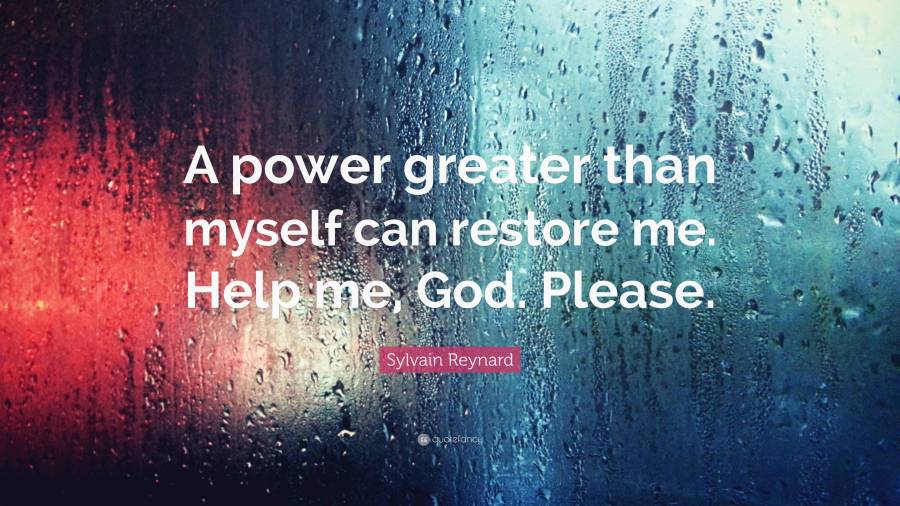
A power greater than self

We realised just how simple it can be. We had no literature or posters, and even the teas and coffees missed the meeting last night.

None of that stopped us from having a good meeting. Our focus was on the third step, and revisiting this as a sponsor, I realised how others’ journeys differ and how, at times, the spiritual aspect and God stuff can be a stumbling block.

I come from an evangelical family, and as someone growing up with that religious attitude towards sex, there were certainly some unhelpful aspects that further alienated me from getting help. The sin and shame culture attached to sexuality in the church painted the loving father of my faith as a strict disciplinarian and almost some sort of angry voyeur with plenty of wrath and punishment just waiting to strike. Not a great view to have of a loving God.

In recovery, I felt that God was waiting to meet me as my loving father. Not in a church meeting, but in a room full of broken folks opening up their innermost being and living vulnerably. People don’t argue about doctrine and who has the right way or the correct take on what God and higher power are; we simply get on with it according to our understanding.

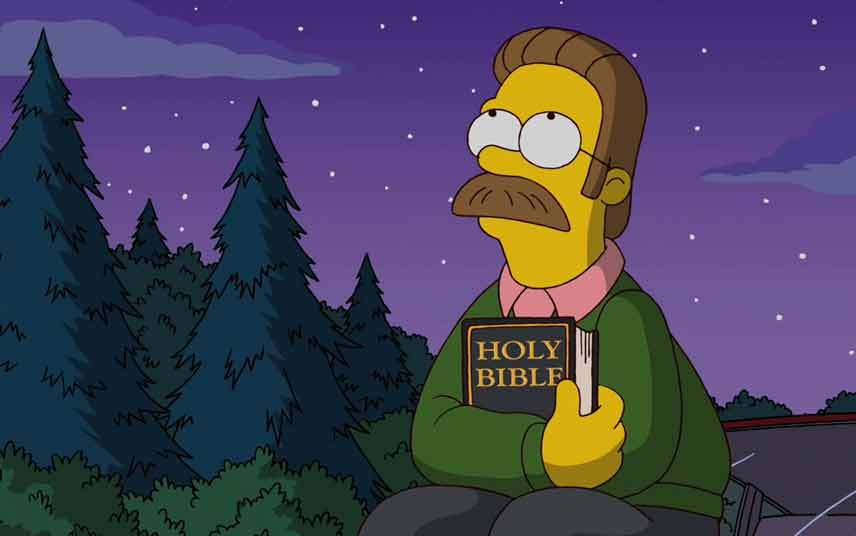
I always love to hear others explain their experience and beliefs about a higher power. Not once do I ever feel the need to get a Bible out and morph into Ned Flanders.

I shared how looking back on this process, I really feel that this aspect of the program can be a tough one to navigate. It’s a common conversation point in program calls, and I try to reserve the specifics of my own Christocentric faith, instead opting for generalisations and parables.

In my experience, regardless of my belief, the power only started working when I became willing to do the basics.

When I make calls to other addicts, I establish a genuine loving connection with others, and it empowers me to be grateful, helpful, and listen. This fosters empathy and care in a deeper and more meaningful way, and thus I find a power greater than self!

When I give of my time in service to others as a sponsor, I see them overcome obstacles and make huge leaps of progress toward a life they may not have thought possible when they first grabbed a chair and listened to shares. The strength they can see in me isn’t my own, and thus we find a power greater than self!

When I saw we needed a group in our city and I wrestled with the feelings of unworthiness and doubts of whether someone else should undertake the service, it grew from a seed of an idea to a growing community of beautiful recovering souls, and thus I found a power greater than self!

I could go on, but I think it’s clear what the message is here. A wise friend and someone I love very much shared how they feel when they guide people through the steps: they feel something rising up from within like God is working through them.

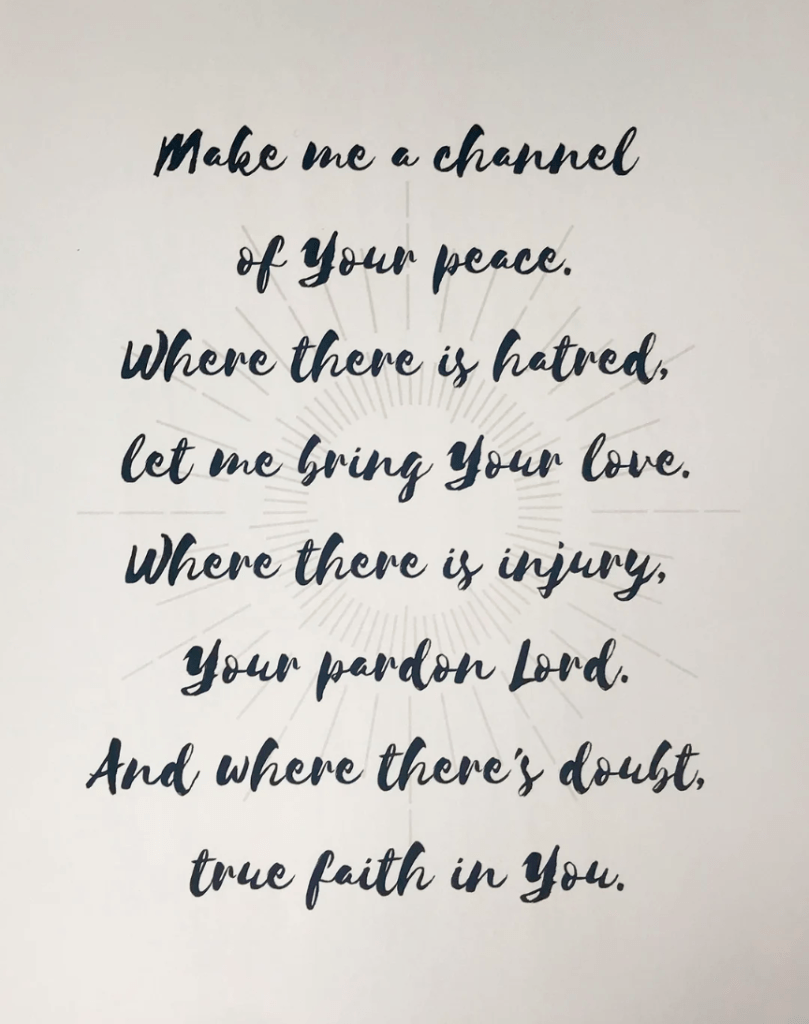
I remember the song from school assemblies, ‘Make me a channel of your peace.’

The message here is pretty powerful and seems to be rare in our present-day culture.

Charity used to be the word for love, and now it’s almost a corporate body to practice compassion that we could all radiate.

Even empathy and consideration seem more political than human at times with the numerous causes and issues that people can be selective and exclusive with.

In recovery, we have a higher power whose love is unconditional and restorative, and we get to live life with a transition ‘From Shame to Grace.’

Our virtuosity in recovery needn’t be for show or display but for the audience of one as we don’t seek credit or recognition.

The ‘Just for Today’ card says, ‘I will do someone a good turn and not get found out.’ If anyone knows of it, it will not count.

Our recovery is a miracle that can be contagious, and its only requirement is to be willing.

Branded by the past

“I learned that I had no need to feel ashamed, that I could make amends for the wrongs I had done, that I could address the fear I had always fled, that I could re-evaluate my feelings of worthlessness.”

Russell Brand

A few short days ago, I was looking at tickets for a fundraiser for addiction. The event would feature a show by none other than Russell Brand, a man whose past behaviors seemed to be overshadowed by years of recovery, activism, and being a prominent sober celebrity.

His book, “Recovery – ‘Freedom from Our Addictions,'” has helped me bridge the dated feel of the 12 steps with the modern world we inhabit.

Since stepping away from fame and occupying a space that seems to be a melting pot of different demographics, Russell Brand is, to many, a polarizing figure. But a significant portion of that audience isn’t just conspiracy theorists; it includes 12-steppers and yoga practitioners.

His books and videos show that he is a man living with many regrets about his past, and it seemed he was able to live without being defined by it.

When I was stuck in the mire of Step 4 and preparing for Step 5, his words, “I treated Step 4 like I owed it f#cking money,” jolted me into action. This candid description of how uncomfortable that process was made me think, “Let’s get this done.”

As I finally completed Step 5, there were things I told my sponsor that may never see the light of day. He, along with God, were the only ones to witness my account of some of these deeds.

The thought of having the worst of my conduct displayed in a highlight reel for the world to scrutinize and judge without context or a right to reply fills me with unimaginable dread.

After friends had discussed the emerging headlines and the enormous scandal that was about to unfold, I checked out his latest video refuting the claims. The documentary later that day, for the most part, was just a cringe fest of low moments. By today’s standards, it was deeply offensive and misogynistic, all scored with ominous musical notes.

Among the footage of antics we are all familiar with from those years were some serious criminal accusations. I wonder if the intent of the four-year media project was to bring about justice for the alleged victims or if it was just to dismantle and exile the monster to the fringes of society, living under a rock. Never mind his wife and children now caught in the hurricane of headlines.

My views on the #MeToo movement have been somewhat obscured by my life experience. At the age of 19 in 2002, my first girlfriend told me that her previous boyfriend had forced her to have sex. Since my mom was a survivor of domestic abuse at the hands of my father, I knew how monstrous men could be. Fast forward a month, and I was discarded as she returned to her ‘abusive’ boyfriend. To add insult to injury, I was asked by friends if the rumors were true. She had told my friends that it was I who had forced her to have sex.

The experience hurt me deeply, and I know I am an outlier statistically. But I turned to self-harm, and the scar I carry is dismissed as simply catching my arm while fence hopping on a hike.

If I had this experience today, the fallout would likely be much worse. A mere whisper could lead to a social media pile-on.

When there is a criminal offense to be brought to light, it must be met with taking responsibility, becoming accountable, and taking action to make reparations.

I understand more than many that women are objectified, mistreated, and not shown the respect and love they deserve worldwide. I objectified to the point where I dehumanized, and the reversal of that process haunts me. I have to live with that past and carry the reminders of just how bad things got.

I hope that the truth or some conclusion will come from this current media storm. What will remain in its wake when it passes through? I hope there is enough for someone who has been a hero to either make amends if there is accountability to be taken or heal if there has indeed been a misrepresentation of events.

When I hear these kinds of stories, I understand that my experience puts me in a minority as a male, but I strive to remain agnostic in the blame business. I am in no position to judge anyone.

One of my biggest fears in recovery is losing someone to suicide. When events like this happen, I am reminded of the fellowship’s primary purpose: to carry the message to the sex addict who still suffers.

Support websites for the UK:

  1. Samaritans: Samaritans provides emotional support to anyone in distress or struggling to cope, including those who may be feeling suicidal. Website: www.samaritans.org
  2. Papyrus: Papyrus is a national charity dedicated to preventing young suicide. They provide support and resources for young people who are struggling with suicidal thoughts and for those who are concerned about them. Website: www.papyrus-uk.org
  3. Rape Crisis England & Wales: This organization offers support and information to survivors of sexual violence. They have local Rape Crisis Centers across England and Wales. Website: www.rapecrisis.org.uk

A needle in a stack of needles.

That phrase must have stuck in my head since I heard it in the film Saving Private Ryan, and last night it was brought to the forefront once more.

I finally watched the film Shame in the company of my partner as I knew the film would be both emotionally and sexually triggering.

Michael Fassbender delivers a chilling performance as Brandon, a broken man with the same disease as myself; I recognized themes on display with that of my own experience. The incompatibility I often felt with others both emotionally and physically, the obsessive crutch of fantasy and pornography woven within everyday life. The unpredictable anger, the webcam sites, the hookups, failed dates, awkward and inappropriate encounters, erectile dysfunction, and even being sexual outside of one’s orientation just to feel something.

This film comes with an extreme trigger warning

What also stood out about this film was how broken both Brandon and his sister Sissy were; they had clearly come from a traumatic childhood, much like me and my own sister. These two individuals grew up alongside one another broken in some way from their shared origin and found their ways to deal with the pain.

If you think about it, it’s the same the world over. We all find things to deal with some inner pain. We use behaviors to manage the pressures of life rather than sit with the ups and downs. I lived my double life in a bubble for years, and in a world of broken people, it’s easy to blend in and go unnoticed.

I have spoken with my sister a lot lately, and with our shared origin, she understands the descent into my very own inferno has been decades in the making; both her and my partner speak of how they wish they had paid more attention to the cues and tells that I was suffering.

We live in a time where over the next five to ten years more and more people are going to be coming forward with issues with sexual compulsivity. In my time in the rooms, I have met people of all backgrounds, standings in life; there isn’t a type of person or a look, but we all have one thing in common, we wish to be well.

The movie presents a dark and gritty look into a life imploding with the escalation of sex addiction, and viewers will naturally relate to the human at the heart of this. So, to me, it’s an important work but one I wouldn’t advise anyone to watch alone, and it’s not an easy watch.

This hypersexual society with limitless access to ever-increasing novelty is a time bomb, and my challenges and victories today will be the guide and blueprint for somebody’s son in the future.

I guess this post ends as it started; my mission in life now is to carry a message, one that’s forged out of the mess I made of my life. I am looking for the next needle in a stack of needles to tell them they are not alone.

Permission to get better

Shame corrodes the very part of us that believes we are capable of change.

Brene Brown

The last few years have taught me a lot about myself, I have become more aware of how life events have affected me more than I previously believed, from witnessing my mother being run over by my father to preparing to become a father myself only for it to end tragically.

How can childhood domestic abuse, the loss of a baby during pregnancy and compulsive sexual behaviour be linked to one another? I would have scratched my head if ever asked and I still do sometimes but this is my life tapestry, they are weaved together.

The space and permission to be able to learn from our mistakes can be rare in the digital age, people can be cancelled for tweets from year’s gone by, so how much more for those who hurt others or cross moral lines that shock and offend, our worst moments can be posted about and poured over with comments of strangers.

I heard along the way that our biggest mess can become our biggest message, I would add the condition that only if we take ownership, accountability and put into practice the desire to get better.

Before I picked up my self-reflective pen and sought to change I was inspired that if I can get better I can be useful and help others, a couple of years on I have worked and continue to work my program and now get the honour to sponsor others as a guide on their journeys.

I see in the eyes of fellows the same shame, regret and pain that I live with.

This last week my loving partner made a disclosure about my addiction and my past behaviours to her dad and I was filled with this dread and shame, to look her father in the eye after knowing this stuff about me.

As with most fears the reality isn’t like we imagine in our spiralling. As he came around I put the kettle on, well he hasn’t grabbed me by the scruff of the neck at least.

The three of us sat down, I had to say something, obviously I just want to start by apologising, I said, he interjected “you don’t need to apologise to me, just don’t let this ruin you and you have to get on with your life now”.

He encouraged me to carry on throwing myself into the outdoors, fitness and running. He even said “lets get out for another hike and camp soon”.

Perhaps if others can see I am not a lost cause then maybe it’s time to give myself permission to start forgiving me.