
Here we’ve compiled some must-reads for your recovery bookshelf, ranging from addiction-focused books to inspirational voices that can help us discover our inner strength, resilience and purpose.
Each image links directly to the featured book through an affiliate link. If you choose to make a purchase, Basecamp Recovery may receive a small commission at no additional cost to you. Over time, these contributions will help support our podcast and the continued growth of the Basecamp Recovery website.
Read. Reflect. Recover. Keep climbing.
A Gentle Path through the Twelve Steps
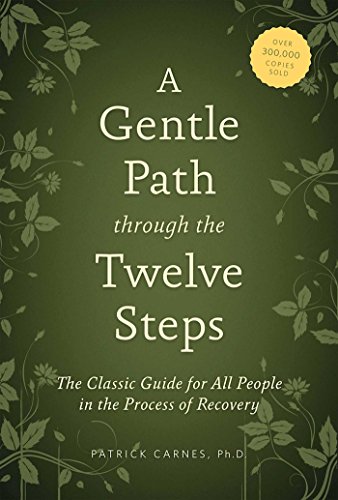
A revised and expanded edition of the recovery classic by Patrick Carnes, Ph.D., a leading expert on addictive behaviours. ‘The Twelve Steps tap into the essential human process of change and will be regarded as one of the intellectual and spiritual landmarks in human history.’
Patrick Carnes, It was out of his reverence and respect for the wisdom and therapeutic value of the Twelve Steps that Carnes wrote A Gentle Path through the 12 Steps, now a recovery classic and self-help staple for anyone looking for guidance for life’s hardest challenges. Hundreds of thousands of people have found a personal portal to the wisdom of the Twelve Steps in this book.
Out of the Shadows
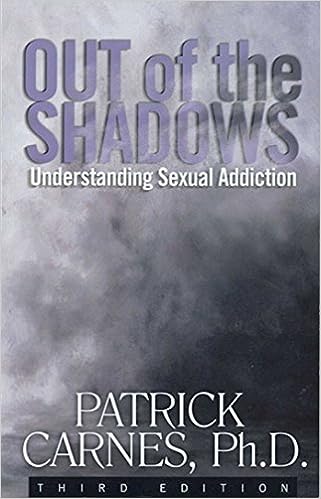
Sex is at the core of our identities. And when it becomes a compulsion, it can unravel our lives. Out of the Shadows is the premier work on this disorder, written by a pioneer in its treatment.
Revised and updated to include the latest research and to address the exploding phenomenon of cybersex addiction – this third edition identifies the danger signs, explains the dynamics, and describes the consequences of sexual addiction and dependency.
With practical wisdom and spiritual clarity, it points the way out of the shadows of sexual compulsion and back into the light and fullness of life.
The Porn Trap
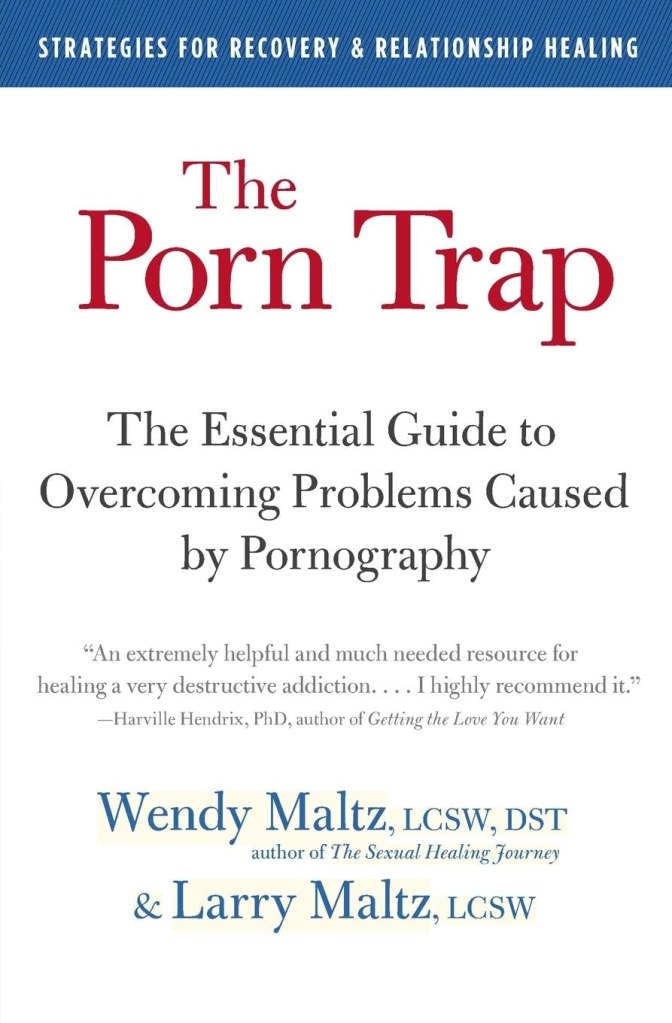
In this highly acclaimed recovery guide, renowned sex and relationship therapists Wendy and Larry Maltz shed new light on the compelling nature and destructive power of today’s instantly available pornography. Weaving together poignant real-life stories with innovative exercises, checklists, and expert advice, this groundbreaking resource provides a comprehensive program for understanding and healing porn addiction and other serious consequences of porn use.
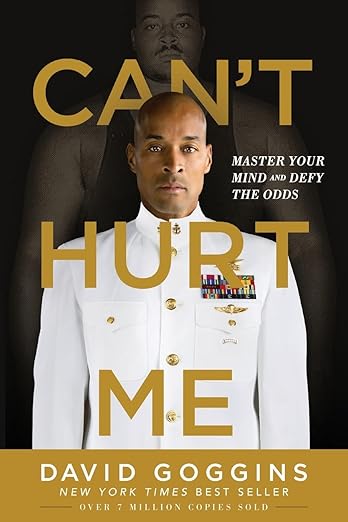
For David Goggins, childhood was a nightmare — poverty, prejudice and physical abuse coloured his days and haunted his nights. But through self-discipline, mental toughness and hard work, Goggins transformed himself from a depressed, overweight young man with seemingly no future into a U.S. Armed Forces icon and one of the world’s most recognised endurance athletes.
In Can’t Hurt Me, Goggins shares his extraordinary life story and explores what he calls The 40% Rule — the idea that when our minds tell us we are finished, we have often only begun to tap into what we are capable of.
It’s a book about discomfort, discipline and discovering what might exist beyond the limits we’ve placed on ourselves.
My connection to this book
I listened to the audiobook during the early days of my recovery. At the time, I could see my own demise on every commute to a job where nobody knew about the secret struggle I was carrying. There is something about Goggins that says: embrace the discomfort and dig in.
His voice and his story helped guide me through that territory. More importantly, he helped dispel a myth I had believed for a long time — that we need to feel motivated before we can do difficult things.
We don’t.
Sometimes we just need the discipline to do the next difficult thing, regardless of how we feel. That lesson travelled far beyond my recovery. Years later, when I was more than 20 miles into a coastal marathon with around 7,000 feet of elevation gain in my legs, those now-famous Goggins lines — “Who’s gonna carry the boats?” and “They don’t know me, son!” — became an inner voice of defiance.
Keep moving. Dig in. There is more in you.
For me, Can’t Hurt Me isn’t simply a book about becoming tougher. It reminds me of a period when I was learning that discomfort didn’t have to be something I escaped from.
Sometimes, it was territory I needed to walk through.
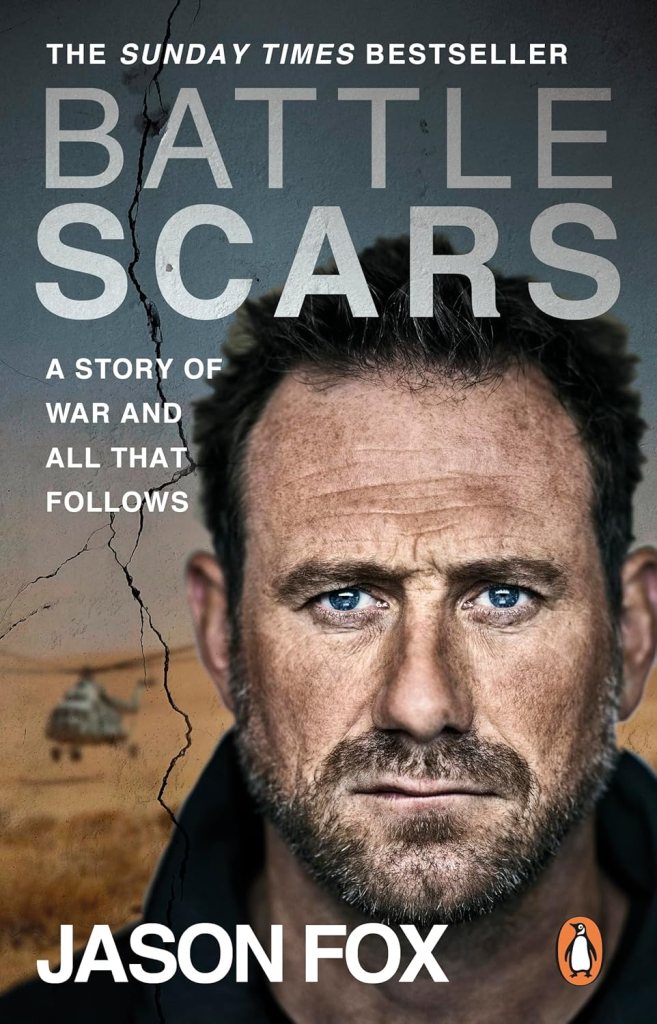
What happens when you become your own enemy? How do you keep fighting when life itself no longer feels worth fighting for?
After more than two decades of active duty in the Special Forces, Jason Fox was diagnosed with complex PTSD, forcing him to leave the military brotherhood and confront a very different kind of battle.
Battle Scars tells the story of Fox’s career as an elite operator — the gunfights, hostage rescues, daring escapes and extraordinary experiences that defined his service — but also what happened when the fighting stopped and he was forced to confront his own mental health.
It is an unflinchingly honest account of courage in two very different forms: the courage required to operate in some of the world’s most hostile environments, and the courage required to admit when you are struggling and ask for help.
My connection to this book
I first listened to Battle Scars before I crash-landed into recovery. Initially, I picked it up simply because it was Jason Fox. I had no idea that his story would later play a small but significant part in helping me confront the stigma I felt around my own need for therapy.
When I eventually found myself sitting in my therapist’s room, talking openly about trauma, addiction and the things I had spent years keeping hidden, I noticed Battle Scars sitting on her bookshelf.
I remember looking at it and reflecting on Fox’s story.
It dawned on me: if a guy like Jason Fox can openly talk about depression, suicidal thoughts, mental health and therapy, why should I feel ashamed about asking for help?
That mattered.
Recovery required me to rethink what strength actually looked like. Sometimes strength isn’t gritting your teeth and carrying everything alone. Sometimes it’s having the courage to sit in a chair opposite another human being and finally say:
I need some help with this.
Battle Scars helped me understand that those two versions of strength aren’t opposites.
Sometimes asking for help is the fight.
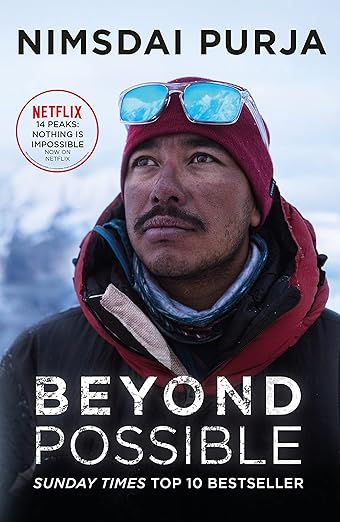
The extraordinary story of Nimsdai Purja and his mission to climb all fourteen of the world’s 8,000-metre peaks in less than seven months — Project Possible.
Fourteen mountains on Earth rise above 8,000 metres, into what mountaineers call the death zone — an altitude where the human body can no longer properly acclimatise and begins to deteriorate.
Before Nims set out, the record for climbing all fourteen had stood at nearly eight years.
He announced he would do it in seven months.
People laughed. People told him it was impossible. But drawing on his experience in the Gurkhas and UK Special Forces, his rapidly developed mountaineering ability, and an almost audacious level of self-belief, Nims set out to prove something much bigger than a climbing record:
With enough heart, courage and determination, our understanding of what is possible can change.
My connection to this book
In 2019, I first learned about Nimsdai Purja just as I was beginning to connect with the mountains here in the UK.
Here was a guy who had smashed his way through the UK mountains, caught the bug for climbing and eventually decided to lay everything on the line for an idea — a purpose.
Something about that challenged me.
It dared me to consider that perhaps work needed to fit around my life, rather than my life continually fitting around work. When Nims caught the bug for the mountains, it consumed him. That sense of passion and purpose was everything that felt missing from my own life at the time.
For me, he became the Bruce Lee of the mountains.
He transcended mountaineering. His achievements redefined what seemed possible for him, but they also posed a much more personal question:
Where do I need to face and conquer my own mountains? What is my new possible?
In 2026, the mountains claimed him, but his legacy lives on in that infectious, almost defiant belief in what we might be capable of.
Through recovery, I have learned that I need mountains of my own.
Being out there keeps me present. The mountain doesn’t care about yesterday or tomorrow. It asks me to accept the environment I am standing in, deal with what is directly in front of me, and take one more step.
Recovery has often asked exactly the same of me.
I cannot always change the mountain. I cannot always control the conditions. But I can keep moving.
And sometimes, when that next step feels particularly difficult, there is still a voice in my head reminding me:
“Giving up is not in the blood, sir.”

