
Stuck in the middle with me

“My advice is, never do to-morrow what you can do today. Procrastination is the thief of time. Collar him!” — Charles Dickens  

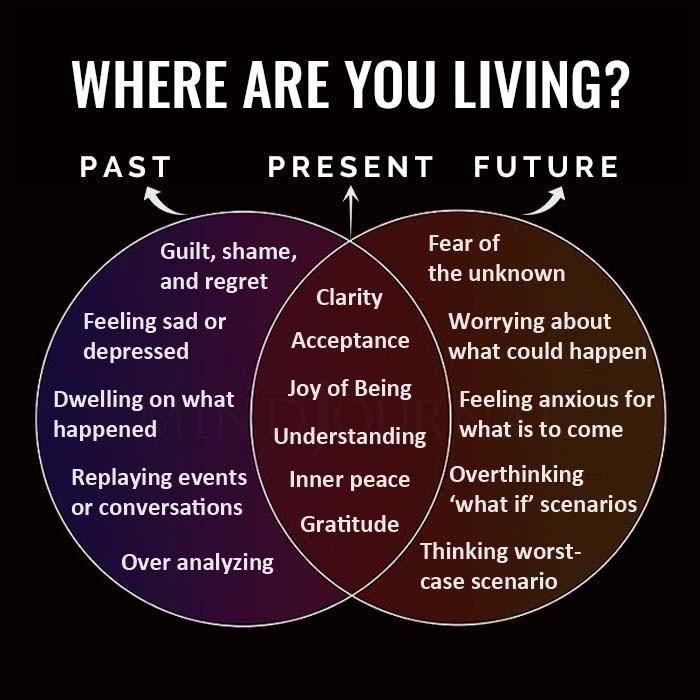
Anyone working the steps with SAA will know the terms inner circle, outer circle, and middle circle. It’s one of the first exercises in recovery—but this isn’t a post about defining the circles.

This is more about what long-term recovery actually looks like. I’ve been on this path for over four years now, and while I’d love to say I’m living in full serenity and the outer circle all the time, that would be insincere. Recovery takes honesty, and the truth is, I spend a fair bit of time in the middle circle.

Each person in SAA defines their own abstinence, but if we’re not careful, those definitions can turn into a game of musical chairs. The inner circle behaviours are usually the obvious destructive ones that caused the crisis that brought us into the rooms in the first place.

But the middle circle—that’s the messy in-between. These are the mind states and lifestyle patterns that don’t look like outright destruction but still pull us away from presence and connection. Life is full of responsibilities and distractions, and while distraction itself isn’t always bad, it can easily become destructive if we don’t have a foundation of support—through God, community, or honest relationships.

For me, the world is saturated with distractions. Political noise, religious arguments, artificial intelligence, endless short-form videos—scrolling a social feed alone can be enough to depress anyone or drag them into a rabbit hole. The best advice? Pause, and switch course.

I regularly prune my feeds, hitting the three dots and selecting “not interested.” It’s part of staying a healthy human as much as it is about recovery from pornography. My phone greys out most apps at midnight until 8 a.m., but I still find myself burning through my screen time allowance long before the cut-off.

Sometimes I binge YouTube all day, procrastinating on things that actually matter. I may not be a gamer, but I can be just as avoidant.

The middle circle is, for me, often about life avoidance. I can lose hours doom-scrolling political misery or watching other people’s adventures instead of making my own. Even bingeing podcasts and recovery content can keep me from actually showing up in my own life.

Sexually, the middle circle often means navigating solo behaviours. These are awkward but necessary conversations—whether with a sponsor, a friend, or my partner. With my partner, we talk openly about what’s healthy: frequency of masturbation, what fantasies are grounded in reality.

Privacy in my sexual life once bound me in secrecy, shame, and isolation. Now, it’s about honesty. The healthiest place for sex is with my partner, in the outer circle, and that’s a two-way street.

From time to time, I catch myself doom-scrolling into subtle objectification. I tell myself, “I’ll just follow that account—it’s harmless.” But fantasy has to stay grounded in reality. Having a tent in my pants over my partner is fine. Inviting Hollywood actresses to the party? That’s just mixing a stronger cocktail for my little pants party and that’s not something I want to be normalising.

The middle circle is where boundaries get nudged. That’s where Step Ten—and plain common sense—kick in. Reflect, check your thinking, and keep the lights on. Secrecy always alienated me, so I choose to live openly.

I also try to go first in these conversations with the men I co-sponsor. Recovery isn’t hierarchical; we walk side by side. Recently I shared about buying a male sex toy, just to experiment with sensation rather than the lifetime reliance on visual arousal. I use humour in those conversations to take the heat out of it, because these are things worth talking about.

The middle circle isn’t a campsite—it’s a crossing. And it’s always best crossed in company, through honest conversation with a friend.

Because recovery isn’t just about what we’re recovering from. It’s about what we’re recovering to.
Hell Jim, not as we know it!

I’m proud of my Welsh heritage. I spent my twenties in Wales, and volumes could be written about those years. But now, in my forties, after working the Twelve Steps and realising that God was never angry with me nor cut me off, I feel like I’m finally coming to know who I am and what I believe. For many years that clarity escaped me.

Frank Turner sums it up well:

“All my friends are getting married, mortgages and pension plans

And it’s obvious my angry adolescent days are done

And I’m happy and I’m settled in the person I’ve become.”

I’ve been making peace with a time in my life when I didn’t face the grief and trauma of losing a baby. After years of serial dating and escape through relationships, I eventually darkened the doors of the church.

Like David, I had let my desires dictate my choices, and in my moralism I convinced myself God was punishing me. Within the sheltered community of church, I managed three years of abstaining from relationships, sex, and mostly from pornography. I thought I’d found the formula.

I reasoned that my healing would come the way David’s did — through grief and resolve. I went to the Scriptures and landed on the story of David and Bathsheba’s first child (2 Samuel 12). David fasted and wept while the child lived, but when the child died, he got up, worshipped, and ate, saying: “I will go to him one day, but he cannot return to me.”

I read those words, said a prayer, and told myself that my own loss must have been because I’d lived outside of God’s will. That thinking caught up with me eventually, but it shows how distorted my view of God was. I had cast him as judge, jury, and even executioner.

And yet, that church was still more life-giving than my upbringing. My unconscious distortions about God began to be challenged.

Work during those years meant standing behind the counter of a small valleys high street shop. Because I lived in town, I met most of its eccentrics. One of them was Jesus Jim.

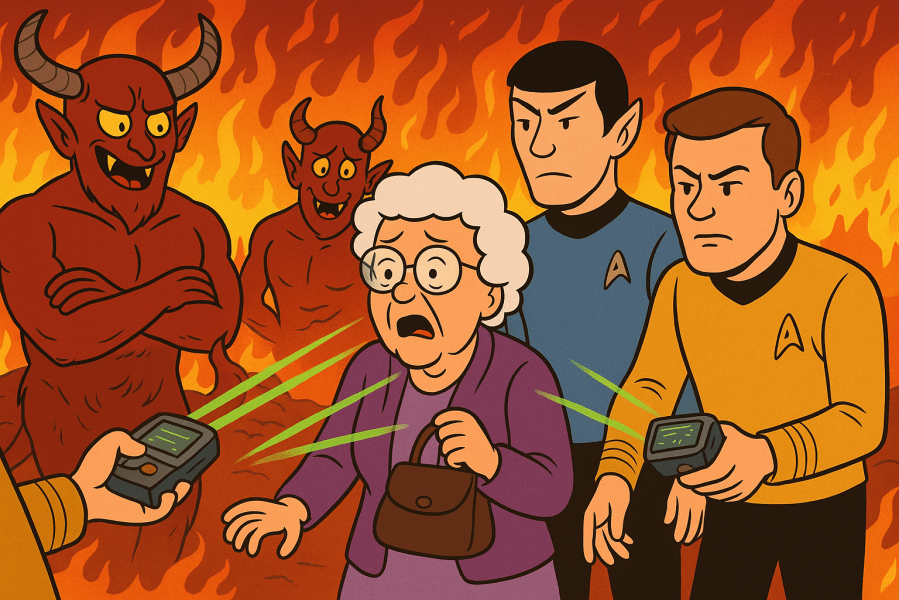
Jim was a friendly man, barrel-like in build, with a stubbly face, flat cap, and a blue vest that read “Jesus Loves You.” Unlike many street evangelists, he didn’t lead with fear. He insisted that God loved everyone so much that he couldn’t imagine sending anyone to hell. “Even the devil himself,” Jim would say, “were he to bend the knee, would be forgiven.”

That was my first brush with universalism. At the time I dismissed it as fringe thinking, but the seed was planted.

The church I attended was an AOG Pentecostal, though it tended to fly under the radar. We moved in prophetic, charismatic streams and had a reputation as a wild bunch. Some big names passed through our little congregation — most pivotal for me being John Crowder. His message of the finished work of the cross and the radical scandal of grace was hard for many to swallow, but in my heart I knew it was true.

It shouldn’t have been shocking, but paired with trance-like ecstasy in the body of believers, it was something to behold. We were swimming in ancient revelation and drunk on the wine of it. In simple terms, it felt like the works-based paradigm of worship was being turned on its head. How do you chase after God when He has already found you? How do you press in when He has already pressed into us? This wasn’t just new language — it was a recovery of unapologetic Trinitarian theology.

I left church not long after Rob Bell got strung up for merely questioning the context of hell. I realised I was somewhere on the universal spectrum, and for the last fifteen years I’ve made a hash of living — but through recovery I’ve reconnected with voices like Crowder and C. Baxter Kruger. Slowly, I began to untangle the knots of my distorted belief.

The great pains of the past, though healed from an eternal perspective, still get triggered in daily life. That’s okay — because now I get to experience the full spectrum of living instead of numbing out. Just today, while watching Private Practice with my partner, the storyline of a terminal pregnancy hit me harder than I’ve felt in years.

When you cry so hard your head feels like it will explode, the language of weeping and gnashing of teeth feels more literal than allegorical. Yet I know, no matter how low I’ve stooped, I was never out of reach or alone.

Now, like Jesus Jim, I’m convinced God’s love is too strong to torment His beloved children for eternity. I believe in the refining, restorative fire of God’s love — a fire that burns the very evil out of us. The Greek phrase translated as “eternal punishment” in modern Bibles is aionios kolasis — literally “age-during correction” or “pruning” — not timoria, which means retributive punishment.

So I suppose that means I am — and am not — a universalist. Not sure about the devil ever getting his bedroom back though.

Polarity of connection

“However, sexual anorexics do have a definite profile that separates them … They are often extremely competent people who are committed to doing things very well and have a fear of making mistakes and being human.”

Sexual Anorexia: Overcoming Sexual Self‑Hatred By Patrick J Carnes

Who’s ever heard of the honeymoon period? Everyone, right? It’s that stage in a relationship where we get used to the other person being in our lives — and the novelty fades. Excitement gives way to familiarity, and things can start to feel like hard work. That’s the cultural expectation we’re sold: relationships inevitably settle into stagnation, and the spark dies. We absorb these ideas through stereotypes that often carry a cynical edge — and if we don’t challenge them, they shape our standards.

Stereotypes persist because they land on some emotional truth. But they also become self-fulfilling if we don’t dig deeper.

In therapy, I’ve learned to put words to complex feelings — and there’s not much more complex than sex. Porn often disconnects people from true intimacy. It’s one-way traffic. It offers a counterfeit high: intense, instant, and seemingly safe. But it requires no real effort or vulnerability. There’s no risk of rejection. It’s all reward, no reality. And when real sex, with all its imperfections and emotional weight, feels inadequate by comparison — the gap grows.

As someone who’s lived with a long dependency on sex, I know too well the bittersweet pang of premature ejaculation. It’s real, it feels amazing — but often leaves you hollow, like something essential was missed. If that experience repeats enough times, it becomes easier to avoid sex altogether. Easier to retreat to solo coping mechanisms. And the shame cycle tightens its grip, keeping many men isolated from their partners.

If I were to describe what true sexual intimacy feels like, I’d say it’s about finding one another in the chaos of life. In my hopeful romantic years, I was drawn to films we called “chick flicks.” I idealised love — and maybe that helped me linger in the date phase without learning how to grow beyond it.

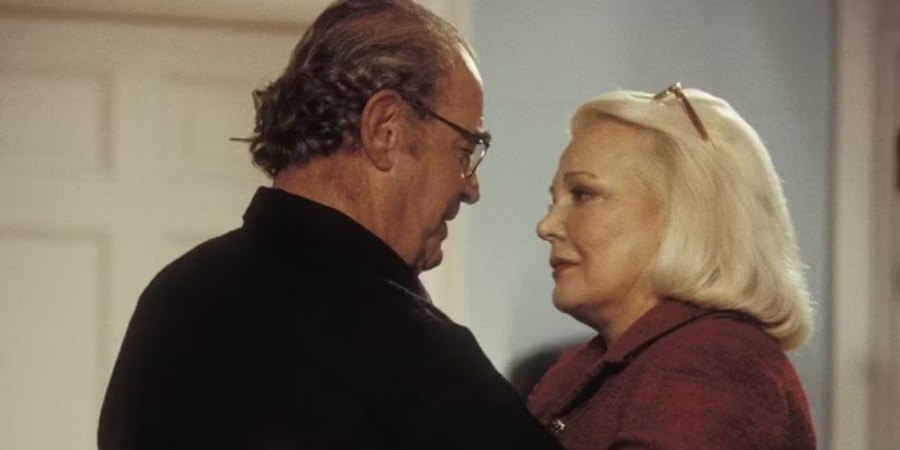
One of my favourites was The Notebook. Noah reads their love story to his wife, who now has dementia. Most days, she doesn’t recognise him. But he tells it anyway — day after day — in the hope of a breakthrough. And then, for a fleeting moment, the clouds part. She remembers. They hold each other. They dance. They say the words. Then it fades again, and she forgets. The heartbreak on James Garner’s face in that moment wrecks me every time.

That, to me, is what sexual intimacy feels like. You can’t schedule it. You can’t manufacture it. It’s not a performance or a tick-box event. It’s a moment of mutual presence — raw, messy, and sacred. When it happens, it’s perfectly imperfect. It reminds you what’s possible when you’re really with someone. And it leaves you wondering: Why don’t we come here more often? What keeps us hidden behind the clouds?

The greatest strength in my relationship today is our ability to communicate. After surviving the rupture of sexual addiction disclosure, we’ve had to rebuild — but we’ve done it together. We support each other. We show up. We don’t let petty resentments run the show like they once did.

If I act like a dickhead (and I do), then it’s on me — in recovery and in life — to admit it, make amends, and commit to doing better. That ongoing honesty has transformed us. We rarely argue now, not like in the first seven years. Over 11 years in, we’re finally a team.

I used to meet discomfort with impatience and turn it into isolation. That fed my resentment, and that resentment told me I was entitled to escape into my own world. Now, I talk. I name my feelings. And we meet each other there. In the pressure and noise of life, we make space to reconnect — even if it feels like untangling the wires behind the telly: hidden, messy, and easy to ignore.

But avoidance isn’t recovery. If you’ve “recovered” — great. But what have you recovered to? What does healthy sex look like for you? Is it something you still don’t talk about?

Vulnerability, honesty, and sharing aren’t just for the therapy room or the recovery circle — they’re for the bedroom, too.

Sunset

Finding some balance

Do not pray for an easy life, pray for the strength to endure a difficult one.

Bruce Lee

This post is a reflection on the journey of finding balance. For many of us the twelve-step program serves as a “sufficient substitute” for our addiction and it makes sense, as the regimen of life in recovery demands new patterns and processes, gradually shaping new pathways in thinking and acting.

At times, I’ve been guilty of religiously dedicating myself to service. While service has kept me relatively sane, sober, and in a much healthier place in life, I’ve made mistakes in judgment and decisions. I’m grateful to now recognise these errors.

For instance, insisting on attending a meeting on our anniversary wasn’t wrong in itself, but my bullish attitude in refusing to take a day off was. While some might view this dedication as commendable in recovery circles, I realised it left my loving partner feeling let down.

I’ve also allowed my program to dominate conversations countless times and I struggled with managing my time better, often being late or absent from life due to taking and making calls. Don’t misunderstand me here, these aren’t necessarily negative things but rather manifestations of my incapacity to empathize with loved ones and see things from anothers’ perspective.

Approaching three years on this journey, I’m filled with gratitude for the growth, accountability, and newfound love for life. From shame to grace, from seeing suicide as a sensible option to cherishing life and my fellow man, it’s been a transformative experience.

My addiction had been futile attempts to find and maintain balance on my own terms, resulting in a constant struggle and a paradoxical existence filled with pain, “just the once was too much and never enough for me”

The balance I seek now is one I receive and rest in, rather than striving for with sheer stubbornness. I’ve been reflecting on how God doesn’t promise us happiness or an easy life but rather the strength to endure a difficult one. While happiness may elude us, peace is far more important.

This year, my personal goals revolve around being kinder to myself and taking better care of my well-being to continue being of use to others. This includes participating in marathon and ultra events, as running brings discipline and solitude without isolation. Additionally, I plan to reconnect with music, whether playing at open mics or ministering through song, as it’s an integral part of who I am.

I also aim to grow my business, embrace the future with my beloved, and continue to make amends to those I’ve hurt, especially my family and myself.

Here’s to staying present while recognising that my program of living, supported by a loving God, is the foundation holding my life together, rather than my ego’s attempt to cosplay God and “conduct the orchestra”

Triggers

Making the world smaller

In a world that is full of issues which cause worry and often draw a line in the sand and beckon people to take a stance, I see more that divides than unites us at present. Whether it’s Ukraine and Russia or more recently the State of Israel and the displaced Palestinians, whenever there is a flag to wave and a side to pick, we find the most dangerous of human behaviors at play. But it’s not just about geopolitics or warfare.

Objectifying and dehumanising are alive and well in many ways among us. For all our modern-day virtue, we see people are easily othered, described, and treated as objects, devalued for their humanity. Empathy is displayed with profile picture banners and solidarity with buying a particular product or taking part in a social media trend.


I speak on this as one with life experience. The apostle Paul referred to himself as the “chief of sinners.” As he wrote to others knowing full well his own past behaviours.

This post isn’t some rant of a hypocrite or someone trying to compare themselves to an apostle, nor is it about the state of the world but the observations of a flawed man. I am a cautionary tale in the perils of sexual objectification and ultimately the dehumanizing that grew out of unchecked thinking.

I have to check myself when I participate in othering and that often means dipping out of political discourse, not joining in with people gossiping about or judging others, such situations are a breeding ground for my character defects. I have to conduct myself through the mirror as it shows me the only person I need to try to steer.

I hope that we as a people wake up to the slumber that modernity has lulled us into and see how easy it is to judge and devalue others, I was asked once how I was able to look at sexual content with such a lack of care for the humans on the screen. All I could say was that I believed I had seen so much that I had dissociated what I would see on a screen from real life.

I make reflective observations about myself more than others now, but I have had to make it a smaller place to live as I often see peoples pain a lot easier than before, Empathy was always suppressed for me when I used porn to shut down negative emotions.

In recovery I experience the full spectrum of emotions, it’s both the best and worst thing about being sexually sober.


The feelings now at play are like the overwhelming senses from a clip I reflect on from “The Man of Steel.” The young Clark’s senses were in overdrive that it was too much pressure; it was consuming. His mother’s answer was to make the world a little smaller and just focus on her voice.

If I focus on the issues of the world around us, I try not to take sides and instead try to see the humans in the headlines. Be that the latest celebrity pile-on or the next political issue that many pick sides on. My role is only to make better choices in my own life, not to control anyone but take accountability for my own actions.

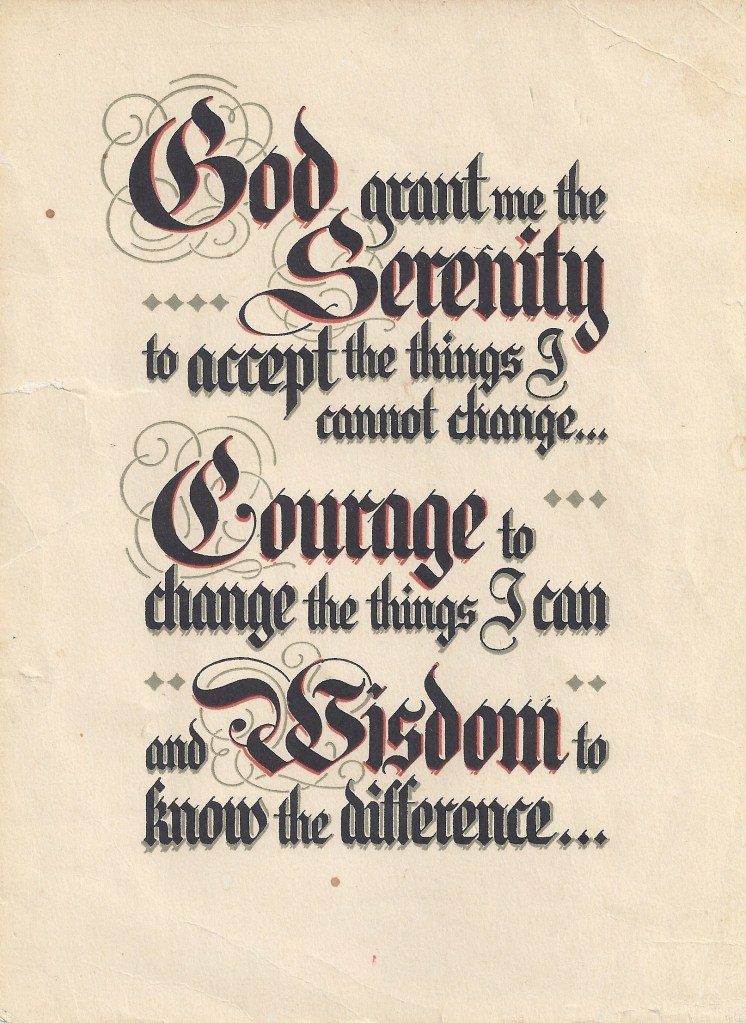
Most sources of worry about the world can be filtered through the serenity prayer.

I pray too that I don’t slide down the slope of objectification, as I never want to fall off that cliff again.

Healed at the pool

“You only need me” – it’s a step 11 thing

Lately, I’ve become locked in the orbit of my faith, The 12 steps of Sex Addicts Anonymous have been instrumental in bringing me full circle. What I truly appreciate about this program is that it doesn’t impose a particular belief system or agenda on its members. It’s all about personal growth and healing, no strings attached.

In the past, I might have been guilty of dogmatic arrogance with my faith. But today, I’ve come to realise that I’ve been granted forgiveness and a fresh start. What truly matters is not the dogmatic preaching of one’s interpretations but joy knowing what revolutionary change these stories can mean to us if we keep an open mind.

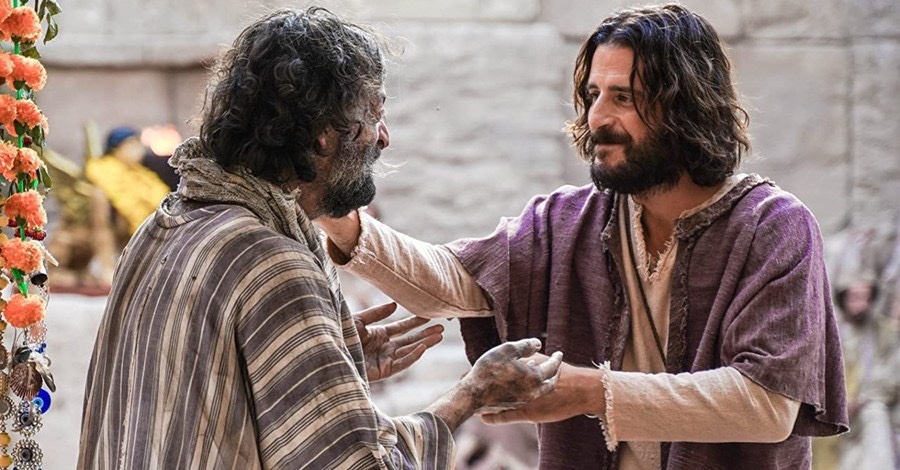
Tonight, I’m inspired to write about just one story that hit me like a lightning bolt. I’ve been engrossed in the streaming series “The Chosen.” It’s the first Christian-produced show that’s captured my attention with its quality and a fresh perspective on stories I’ve known since my youth.

The story that caught my attention centers around a paralytic man who spent over two decades waiting by a pagan pool, hoping for healing from its waters. Then, God arrives.

Like the cripple at the pool I made my bed and hoped my pain would go away. You see, in the past, my addiction was my god. Sex and porn were my acts of worship. I was devout and faithful to those rituals, and those rituals led me to my darkest places. But you know what? Rituals are powerful, and they can lead us out of the darkness too.


In recovery, we learn to walk again, we replace old destructive rituals with healthier ones. We find the God of our understanding, ready and willing to work with us as we carve out a new path. As we make progress, we begin to understand that we’re spiritual beings, and we realise that our old ways were an attempt to fix spiritual wounds with corrupted and counterfeit solutions.

Now, my desire is simple: to continue healing from the pain of the past, to embrace more intimacy in my relationship based on authenticity, and to live a life filled with love and service to others, to experience rather than just exist.


I’ve recently travelled through moments I would have begged God to spare me from, moments of great shame but I’ve discovered that the most profound lessons come from those experiences, no matter how painful or shameful they may feel I am connected with my future and potential through grace.

In my service work with fellow addicts, I’ve learned the importance of sharing my faith but not imposing it. It doesn’t matter how someone finds their path to a higher power and lasting change; it could be the group, the program, or something else entirely. The important thing is the transformation. I have no qualms with God sitting back and not craving credit for changing lives. God to me sometimes hides his signature on his masterpieces.

The beauty lies in the journey, in the transformation, and in the newfound faith that carries us forward from shame to grace.

Service and amends – Steps Nine & Ten in action

After an online home group meeting and a tough day, like many other days over the last few years. My partner and I, are watching Elementary. Johnny Lee Miller’s portrayal of Sherlock Holmes in recovery from addiction has given me many 12-step moments of reflection.

Tonight’s rewatch of an episode focuses on Sherlock’s guilt over his character defects leading to a friend getting hurt who no longer wanted to be around him. His sponsor, Alfredo, suggested that his work in the program had opened him up to empathy, and it was time to give back.


Service has been crucial to my progress. From putting out chairs to organizing new meetings, laying down my selfish rituals of the past, and embracing service to others has set me on a path toward pursuing a better way.

Tonight, like every other night, the meeting and the program have been there for me. Initially, it offered me a space where I realised I wasn’t alone or as unique as I thought. In that place, I felt safe to start making friends based on owning my past and, from there, to finally open up and deal with the past that drove my addiction for so long.

This recovery journey has reminded me that recovery is for the long haul, and it isn’t just something I do to clean the outside of the cup. I have a purpose, and I love this recovery stuff.

I am working my 9th Step, making direct amends where possible. Some I have to have a face to face discussion with about my actions and ask for their forgiveness, there are others that I cannot make amends to, for example, I cannot make amends to nameless faces on screens but I can live an amends as there is no proof like that of a changed person.

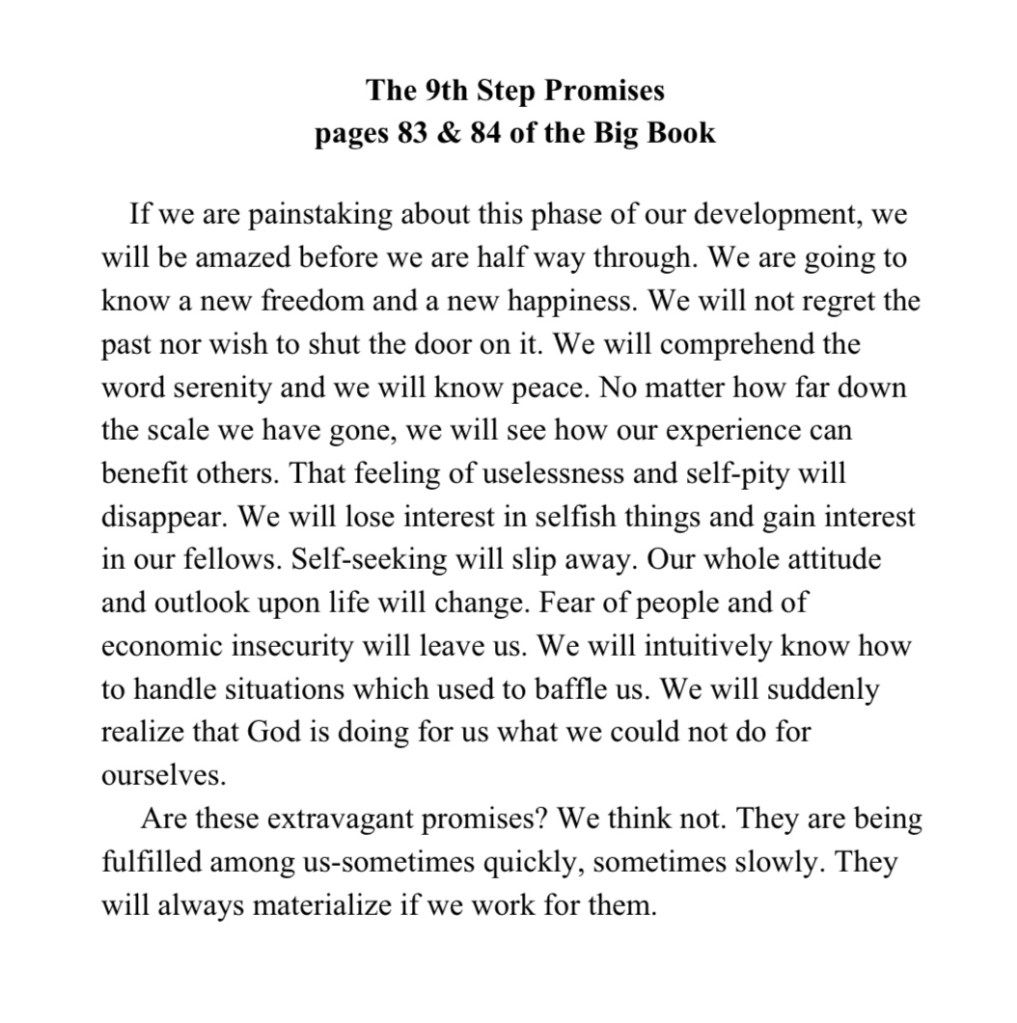
The fruit of working the program is evident in one’s life, as I have experienced. We turn to the big book to see what’s on offer for those who diligently work the steps.

Here’s the 9th Step promises that fire me up!

Today was a difficult day, but I choose to see out this day with immense gratitude.

I am a blessed man.

God, continue to grant me the serenity.


As I close the day I want to get better at being consistent with my 10th Step night time inventory.

Here’s a useful little Free 10th Step App

Unpacking the subconscious

The dream is a little hidden door in the innermost and most secret recesses of the soul

Carl Jung

A night of heavy dreaming left me more tired than before. Yesterday was a busy and emotionally taxing day. Life, in general, is, to be fair, challenging, but such things are beyond our control. All that is within our control is to find peace amidst it.

Owning one’s truth can be difficult to live with, and sometimes that means living with the knowledge that others are aware of your most shameful times. I am living in a perpetual state of Step nine (striving to make amends) and will continue to do so for the remainder of my time.

Now that we have some context of where my head is at, I want to unpack my dreams. Some people believe that dreams have spiritual significance, harking back to ancient times. Dreams are like our subconscious minds showing us things, and if we are willing to explore them, they can help settle certain emotional states.


I dreamt I was with a mix of a couple of ex-girlfriends. I say “girlfriend,” but I now realize that many of my former partners were fellow broken souls searching for something no human could offer. We found in each other respite from our own indiscernible pain.

This beautiful chimera was a blend of everything that excited me about the chaos. The sex I thought was fantastic, but it was devoid of real intimacy because it lacked something truly human. In the dream, I was right back there, feeling desired and enough, but as I often failed to see with such partners, completely disposable.

My dream then shifted to show me something painful—a loved one in a hospital bed. I’ve come to love this person as we walked shoulder to shoulder, and I feel I have, in a tangible earthly way, someone whom God uses to show up for me and let me know I am not alone.

In real life, this is a wonderful friend and journeyman, but in my dream, this person represented my fear of loss. When you open yourself up in a truly human way, you have to embrace the risk of loss, hurt, and all the pain that might come with it. It’s how we truly get to live—by embracing the full spectrum of life and not being selective.

I experienced this feeling and fear when I fell in love with my puppy. She won’t be around forever, and one day will come great pain and loss. But in between, all the colorful joys that come with it, there’s limitless love and acceptance.


Back to the dream, I let the girl walk away, and true to my experiences, she moved on relatively quickly. But this time, I didn’t dwell or jump to the next with a ball of emotions thinking, “next, next.”

I then took a call from a friend. A friend who said, “I know what’s going on, mate, and you’re not alone. I know you’re more than what you’ve done, and I’ve seen day in and day out for years now what you’ve done to make amends. You spread more life now than you ever peeked at death.”

This friend represented hope, hope that I will be seen not through the prism of my worst actions but rather through my authentic life in colour.


As I lay here thinking, I have a day to get on with, and I conclude from this busy night of dreams, I see the important lesson. Acting out or using others to medicate feeds one another’s pain for a moment, yielding nothing because it risks nothing emotional, sure, you can take risks that wreak havoc in life but we addicts throw that dice every time. This stuff is deeper than addiction.

When we love, we have to be willing to experience it all—the good, the bad, all weathers, and even loss.

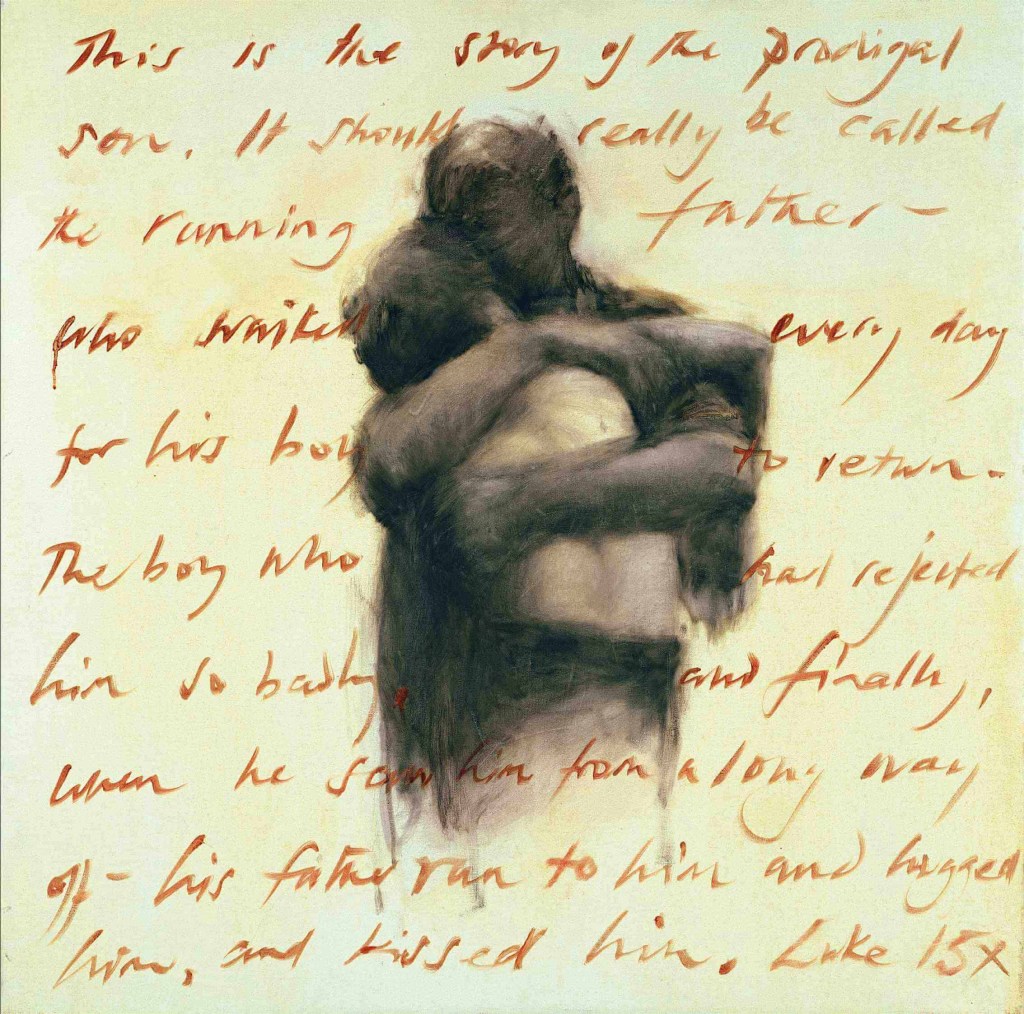
When I traveled out of my mess, I was like the prodigal son Jesus spoke of. I was truly spent, broken, and my choice was mud, death, or redemption. I may or may not be forgiven in men’s eyes, but if I make myself a servant, it will be better than the mess I made. True to the story, while it is not without cost, I am restored, I have worth, and I am accepted.

There are no “real” relationships without this risk, and the only fee is to be open. The world offers counterfeit love, so I have to wonder why I spent so long with my microwave meal when I now get to experience the Father’s banquet.

Should I stay or should I go?

This post is about partners, yesterday my loving partner sat with me through an appointment about my ongoing support in recovery from addiction.

I don’t know where she gets her strength from. Every step over the last near two and a half years she has been in my corner, supporting and encouraging me forward.

I may not have connected with my program of recovery, therapy and life of service were it not for her seeing my problem was more illness than moral bankruptcy.

One of the key points she attributes to this is that her therapist specialises in Sex Addiction and knows both sides of this pain, she broke things down into the choice which is hers in staying and how it’s always a choice.

Not all partners make it out of the wards of betrayal and hurt. Here are some points to consider when your world comes crashing down as a result of a loved ones sexual compulsive behaviour.

  1. Seek Professional Help: Both you and your partner should consider seeking professional help from therapists or counselors who specialize in sex addiction.
  2. Safety First: Assess your safety and well-being. If your partner’s addiction has led to abusive or harmful behaviors, your safety should be the top priority.
  3. Understanding Addiction: Educate yourself about sex addiction to better understand its nature and challenges. Addiction is a complex issue, and learning about it can help you empathize with your partner.
  4. Open Communication: Have open and honest conversations with your partner about their addiction. Effective communication is essential for addressing the problem and deciding on a path forward.
  5. Boundaries: Set clear boundaries to protect yourself emotionally and physically. Define what behaviors are unacceptable and communicate these boundaries to your partner.
  6. Support System: Lean on your support network, including friends and family. Only discuss your situation with people you trust, and seek emotional support from those who understand your struggles. Seek some advice about dealing with disclosure first.
  7. Assess Willingness to Change: Evaluate your partner’s willingness to seek treatment and make changes to overcome their addiction. Are they committed to recovery, therapy, and making amends?
  8. Impact on Children: If you have children, consider how the situation affects them. Their well-being should also be a significant factor in your decision-making process.
  9. Self-Care: Prioritize your own self-care and well-being. Caring for yourself emotionally, physically, and mentally is crucial during this challenging time.
  10. Time for Reflection: Take the time you need to reflect on your feelings and options. Decisions in such situations often require careful thought and consideration.
  11. Trust and Rebuilding: Rebuilding trust in a relationship after addiction is a long and challenging process. Consider whether you are willing and able to undertake this journey. Make new memories together, moving on and choosing to forgive is an ongoing process.
  12. Personal Values and Goals: Reflect on your own values, life goals, and what you want from a relationship. Does staying align with your long-term objectives and happiness?
  13. Legal and Financial Considerations: Depending on your circumstances, you may need to consider legal and financial aspects, such as property or custody arrangements.

Remember that there is no one-size-fits-all answer to whether you should stay or leave a relationship with a partner who has sex addiction. It’s essential to prioritize your well-being and make a decision that aligns with your values and what you believe is best for your future.

For some further support and advice check out our help for partners page

Finding shelter from the storm

The first and basic rule of survival in any handbook is shelter. I think on some level it’s why I love camping so much. There’s something about traveling on foot and being present for the journey—the ups and downs, the fatigue of a climb, and the elation of the summits. Then, pitching your home for the night to rest up. You pack up the following morning and return home with a soft reboot of the mind.

In this week’s meeting, we focused on the three circles. This first and basic tool in recovery allows us to define our abstinence and helps us start managing our lives better by avoiding the gravity of the core behaviors that we ritualized and solidified in our addiction.

We will focus on the good stuff—the outer circle, which I see as “what I get to do and things we should do.” These are generally positive things that may mirror, in some way, our dangerous rituals. As we find new ways to live life on life’s terms, these become substitutes or other choices when triggers inevitably arise in life.

These could be hobbies, spending time with friends, participating in service to others. In short, they are positive activities that contribute to our healthy lifestyle in recovery.

In fact, these are the things your authentic self loves to do. However, addiction often took priority, causing these things to be sidelined years ago. In my case, I had moved nearer to the coast years ago, and only in recovery did I start to explore wanting to surf again. Years ago, I loved watching and playing snooker, and only in recovery did I give this any time.

So, what do I mean by mirroring our addictive behavior in our recovery? Well, all things start with a first thought, an idea. In addiction recovery, we put in a lot of work to understand what goes wrong. Sometimes it’s good to study what goes right.

Lately, life has gotten peak stressful, fearful, and taken me to peak remorseful. Now more than ever, I feel like I’m just desperate for ways to cope. I want to act out, I want to smoke, and I have been turning to food, letting the healthy things I love slip.

Using my outer circle, I thought I could use a night out on the hills. That first thought or idea passes the test, but it’s only as my thoughts linger on that idea that I think about when I will next have an opportunity. Then I need to plan, prepare, pack the bag, the car, and set off to the national park, and then park up and hike. Only after completing all these tasks do I get the payoff of pitching the tent and enjoying the serenity of healthy isolation, which for me is time spent with my higher power.

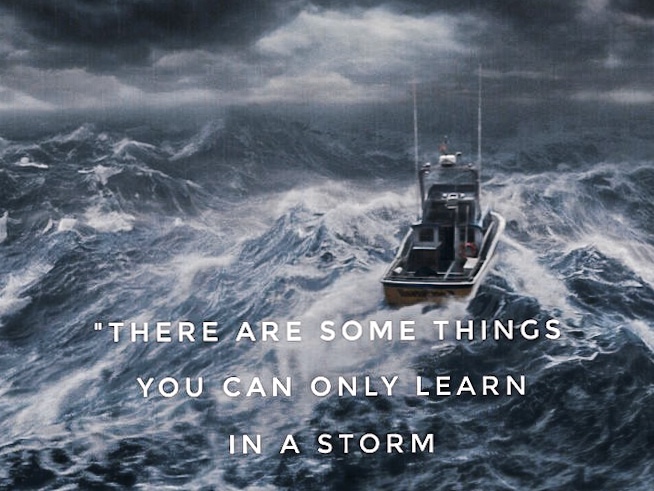
Life is at times a storm. The addict in me used to believe the lie that my rituals change the weather. But recovery shows me that I am not the conductor of this orchestra. I can take shelter and take care of myself, and it is in this admission that I feel I am able to let go absolutely of the former things.