
Wizard of Oz

Pay no attention to that man behind the curtain.

Living in recovery entails breaking free from old patterns. In the past, I maintained a facade of who I wanted people to see me as, whether in work, friendships, or other aspects of life.

When the bubble of addiction burst, my two worlds collided. No amount of self-help alone could guide me through.

Imposter syndrome haunted me in almost every endeavor. The pervasive feeling of inadequacy drove me to escape into sexual fantasy and pornography for solace.

With each new demand from a job, the intensity of this feeling peaked, leading me back into my addiction. At times, I could suppress it with sheer willpower, but it always resurfaced.

Approaching three years in recovery, I still grapple with feelings of inadequacy as a partner, friend, and sponsor. The pressure to meet others’ expectations manifests as both people-pleasing and a desire for control.

In recovery, I confront the daily choice to relinquish the illusion of control. This incessant need to manage everything under my own strength and standards.
In the real world I’m reminded that projection is ubiquitous – in workplaces, social groups, and even within families. Many feel compelled to conceal their vulnerabilities, perpetuating a cycle of pretense.

I used to live like “Oz the Great and Powerful,” hiding behind a curtain in work, relationships, and faith. But I can’t return to that role.

Accepting life’s inherent difficulties marks a significant step forward. Embracing the mantra of “living life on life’s terms” is where my battles lie now. Do I let go and let God or do I continue to play the role of the wizard?

I once wished for an easier life, convincing myself I could overcome my struggles when everything aligned with my desires. But I’ve shed those delusions. Though it’s tempting to rely solely on self-help and motivation, I know I can’t navigate this journey alone.

As part of our script from the Big Book of AA reminds us:

“I know I must get along without acting out, but how can I? Have you a sufficient substitute?” Yes, there is a substitute, and it is more than just that. It is the fellowship in Sex Addicts Anonymous. There, you will find release from care, boredom, and worry. Your imagination will be fired. Life will mean something at last. The most satisfactory years of your existence lie ahead.

Thus, we find the fellowship, and so will you. “How is that to come about?” you ask. “Where am I to find these people?” You are going to meet these new friends in your own community. Near you, addicts are dying helplessly like people in a sinking ship. If you live in a large place, there are hundreds. High and low, rich and poor, these are future fellows of Sex Addicts Anonymous. Among them, you will make lifelong friends. You will be bound to them with new and wonderful ties, for you will escape disaster together, and you will commence shoulder to shoulder your common journey. Then you will know what it means to give of yourself that others may survive and rediscover life.

You will learn the full meaning of “Love thy neighbor as thyself.”

In short, I am not alone.
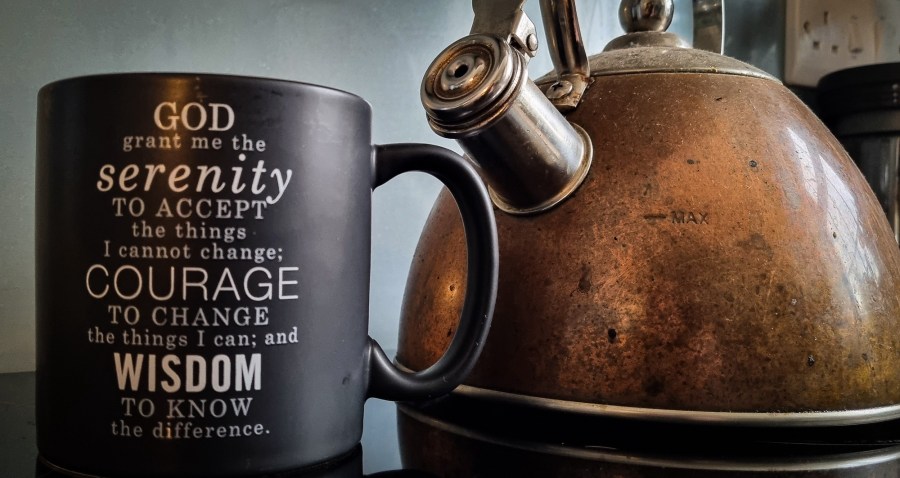
Serenity Mug

Another Study in Scarlet

This reference to Sherlock Holmes is merely a coincidence; the reference actually relates to the phrase “though your sins may be as scarlet.”

This may sound like another post that leans into the Bible, but hear me out. As the Twelve Steps continue to be a pivotal part of furniture in my life, then my faith is the very foundation of how I manage life now, one day at a time.

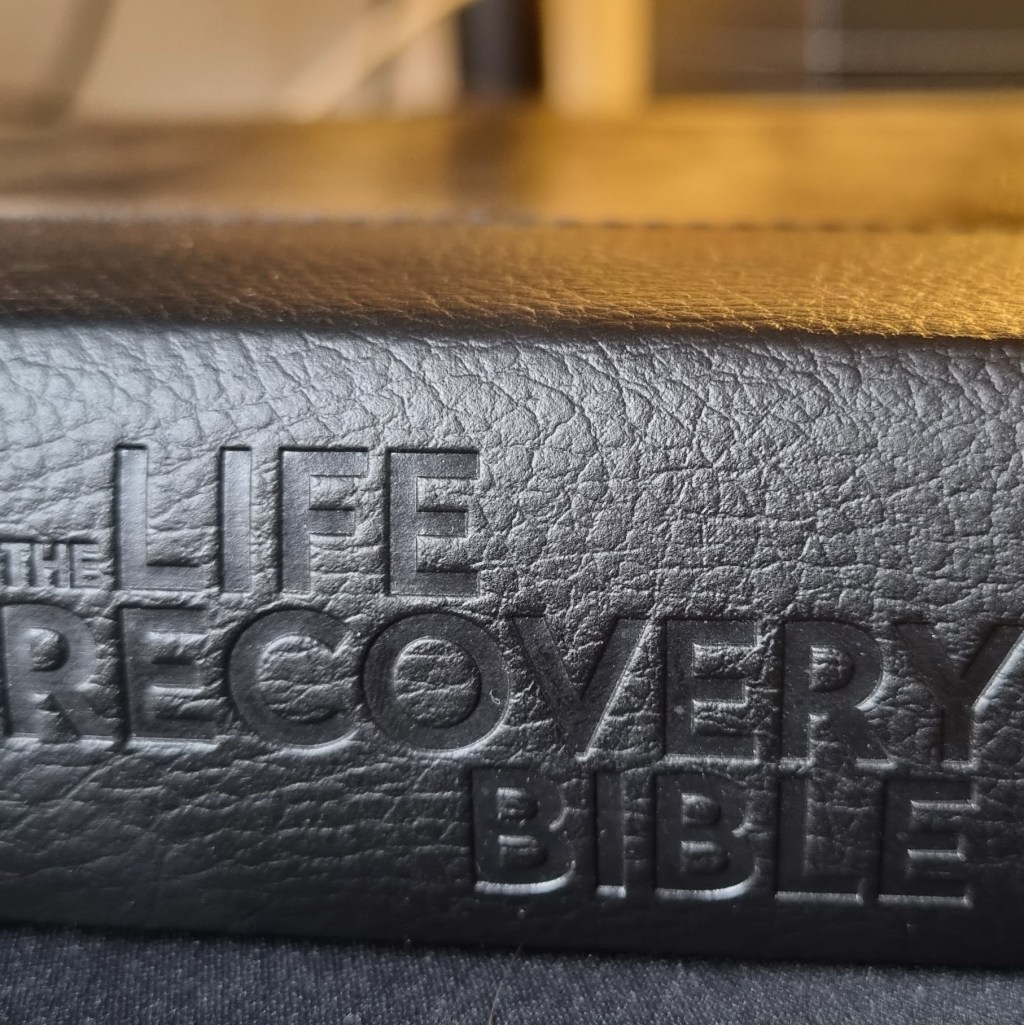
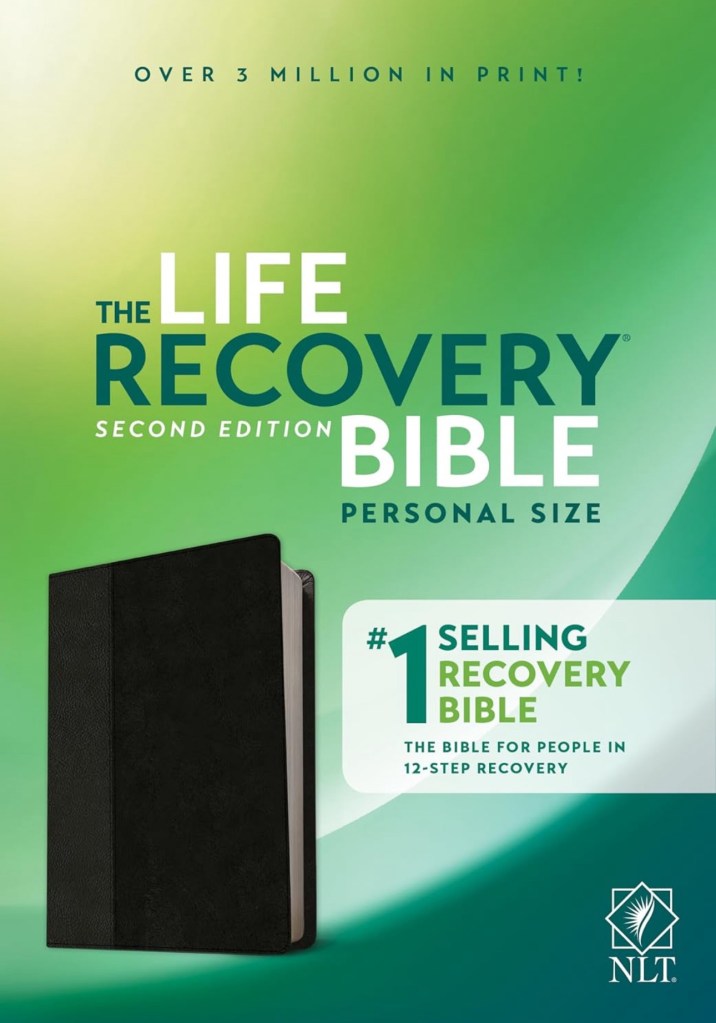
I have had my Life Recovery Bible for some time now, and only recently have I started turning to the stories of the flawed but loved folks of the Bible. I will expand on just two mini-stories here and explain how this is helping me work my Steps 9, 10, and 11.

Part One: Premeditated Acting Out.

We all know King David as the shepherd boy who defeated a giant with a slingshot. This Sunday school story continues to be the ultimate inspiration for the underdog. The rest of David’s life, like all of us, was filled with ups and downs, victories, and defeats.

If you want to read this story, you can find it in 2 Samuel 11, but I will paraphrase and emphasize here to share what’s been enlightening to me. David was the King of Israel and already had a wife. While his army was mobilized and deployed, he remained at home. He engaged in voyeurism (2 Samuel 11:2) as he noticed a woman of “unusual beauty.” Being king, he sent someone to find out who she was. This must be the biblical equivalent of a Facebook stalk.

As he established who she was, he found out she was married to one of his military men. Between the lines here, for context, he saw her bathing, and it’s understood this bathing was part of ritualistic cleansing as she was during her ceremonial “unclean” phase due to her monthly cycle. This means that David not only lusted, obsessed, and plotted, but he also had to wait to make his move to take advantage of his power, potentially for 7 days. David spiraled again and again in a haze of sexual obsession and preoccupation, with time to come to his senses but, like many of us in the throes of addiction, was unable to course correct in the isolation of “the bubble.”

When he was wrong here, he didn’t promptly admit it, but after failed attempts to cover his tracks, he had the husband posted to the frontline of the hottest area of battle where he was killed in battle. This was David doing everything he could to not get found out.

All of a sudden, this biblical story sounds familiar and almost like David, for a chapter at least, was like a sex addict, like me.

This wasn’t the moment where David was thrown into jail or canceled, and despite one of his dark moments of shame and regret, he was by no means finished in life. He was restored, and through forgiveness and amends, moved on beyond his deeds.

Part Two: Favor in the Darkest of Times.

The second story here is about Joseph. Now Joseph was sold into slavery by his brothers. He didn’t commit a crime or anything, but he was likely perceived as arrogant by his brothers who thought they would just be rid of him.

In slavery, Joseph embodied the principle of acceptance that he was in an unmanageable position and trusted God to deliver the promises despite being in a difficult position.

He found favor, and good things happened to him even in the midst of suffering. Things went from bad to worse for him when his master Potiphar’s wife tried to coerce him into a hookup. Despite his doing the right thing and declining, it didn’t stop him from being thrown into prison after an accusation was made.

Slavery, prison, and extreme controversy didn’t stop Joseph from living one day at a time, and his consistency and attitude meant that favor continued to follow him in captivity. Before long, he ascended to the throne of the land.

Now I mention this not as some sort of minimizing of bad conduct as in Joseph’s case there was none, but rather because even in hardship, struggle, consequence or “the suck,” trust in God and having the right attitude means that things can and will work out and improve. Imagine how his story would have gone if Joseph cast himself as a victim.

Here are two men involved in sexual controversy, one guilty and one innocent, one wrongly imprisoned and the other seemingly evaded attention. What’s most important here is that we cannot cover up our wrongs nor control the circumstances we are in. Also, a takeaway of great encouragement is our darkest moments don’t have to mean the end; they can be mere chapters in our story if we practice the principles and work the steps.

The Big Book of AA is the addict’s epistle, and the original Big Book (The Bible) can speak to every single one of us if we have “eyes to see and ears to hear.”

https://amzn.to/4c9kMGQ
Hope

Hope for tomorrow, strength for today.

In the twelve steps, we often organise regional or intergroup open days which serve as a chance to bring together the wider recovery community and, on occasions, open up to the world outside the rooms.

Today, I attended such a day and was given the honour of sharing my story with the focus being on hope. That word, along with many others, has taken on new meaning in the last nearly 3 years.

Hope in the past was essentially a personal wishlist and all were rooted in self – “I this, me that”. In my past as a young singer of songs in the church, I had two scriptures about hope often shared with me which I dismissed as well-meaning words of a fellow church member.

“I know the plans I have for you,” says the Lord, “plans to prosper you not harm you, plans to give you hope for the future.” – Jer 29:11

“Faith is the evidence of things unseen and the substance of things hoped for.” – Heb 11:1

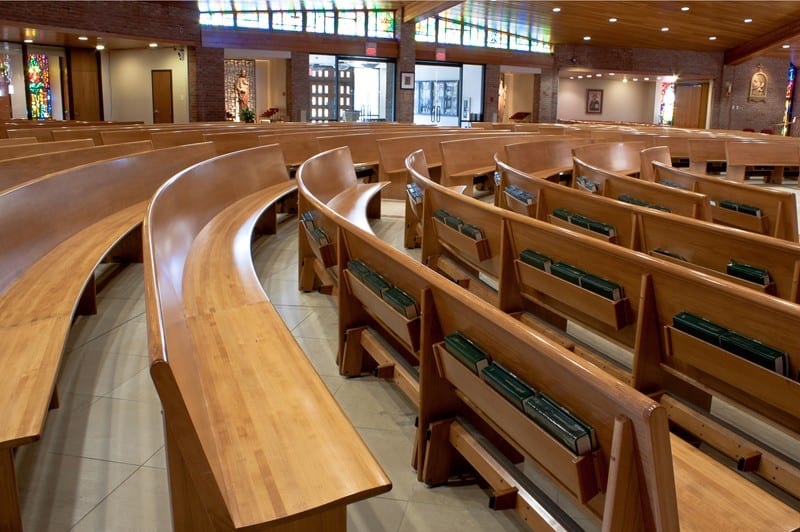
Fast forward all these years later to today and I sit in the church pews, taking in the filling main hall. As the pews are stocked with Bibles, I turn to these scriptures. I am, of course, going to be talking about hope today, so it seems fitting even if I keep the specifics of my faith out of the message.

There’s something about the “God” word in the twelve steps that is truly wonderful and such a typical selfless thing for the “jealous” and often scary God that I was taught about in the past. I often think people get bottlenecked on the God bit by the baggage that religion weighs folks down with and the lack of love and grace they may have encountered in life thus far.

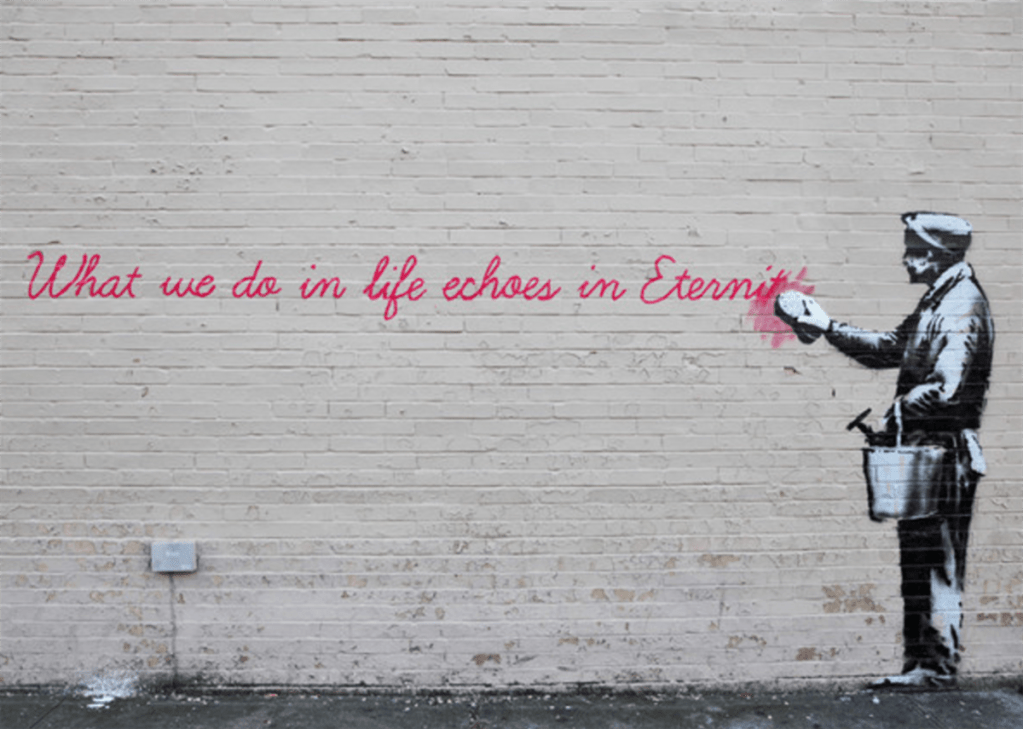
Here even God honours the tradition of anonymity but his penmanship is evident in the stories being shared in this sanctuary. In twelve steps God is like Banksy.

As we begin the day, a multitude of recovering humans in one voice invite God into their midst and the words of the Serenity Prayer reverberate around the room. This is like homegroup with the bass cranked up. As the day unfolds and shares, workshops, and social time allow us to celebrate the newness we find in the program, we are the lucky ones that find each other and our collective experience, strength, and hope provides us with all we need to face a world that we couldn’t cope in before we came to realise we were sex addicts and we needed help.

For such a day to happen, there are so many individuals who give their time, talents, and commitment to create the safe haven from the chaotic and warring world we inhabit. For that service, I am truly grateful.

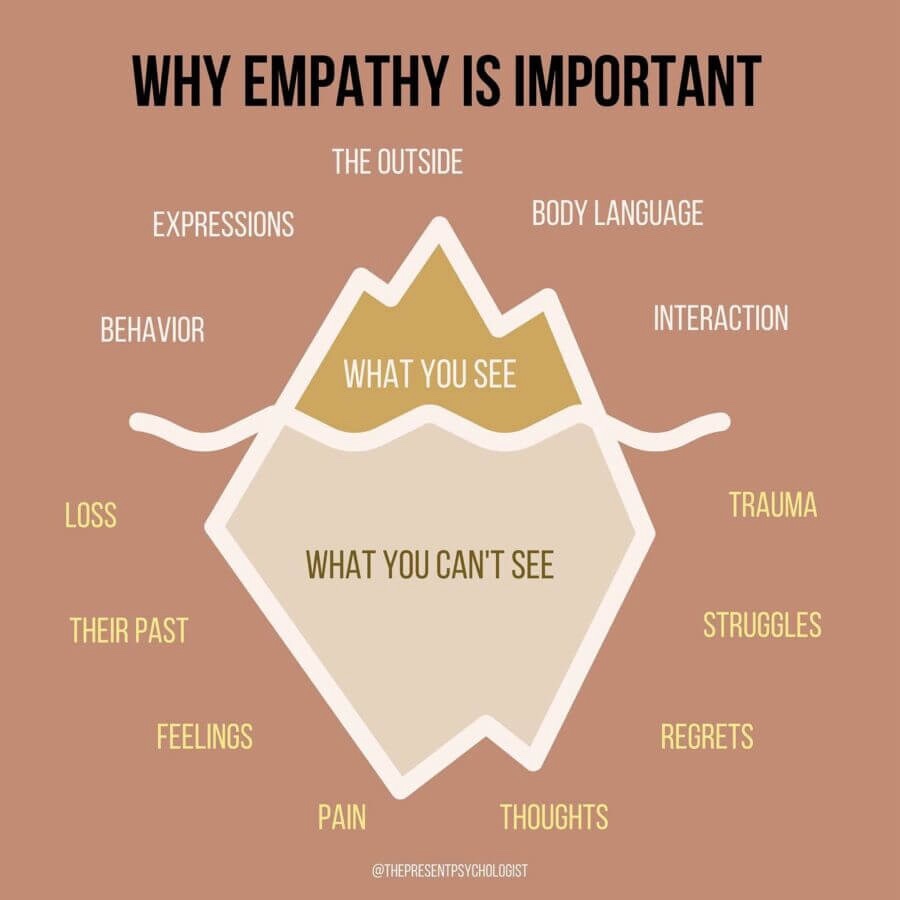
Days like today inspire me that these newfound friends are people whom when they share, I experience this complete psychic change in new wonderful ways, I feel their pain, I celebrate their wins, I see through the eyes of another and find a capacity of empathy I never thought possible.

They say the best thing about recovery is you get your feelings back and the worst thing? You get your feelings back. As time has gone on, I love to sit with the full spectrum of love and emotions for my fellows.

The nerves that grew as the day rolled on were settled by taking a breath and asking God to be the pilot. I’m really not good at it and with that, I remember I am with my tribe, with folks I might never meet outside of my recovery, and remember what landed me here in the school of the steps, a school I will never graduate from, so it’s not like this is some exam or test. Let’s face it, “it ain’t about me” and that’s the great thing about recovery.

The twenty minutes come and go and in short, the message I wanted to relay was as I summed up to a temp sponsee.

A big part I think I want to share regarding the hope of recovery tomorrow is the fact OUR MESS becomes our message and as we experience the miracle of recovery and healing, in service to our fellows we get to witness a loving God at work in the lives of others as they live out their own miracles.

As fellows shared back the tears brim below, out the hopelessness and despair I manufactured for myself and sadly the family, loved ones and friends comes new life, as a version of me passed away this new incarnation as a fellow described sits overwhelmed at the goodness of God, He truly takes us from shame to grace.

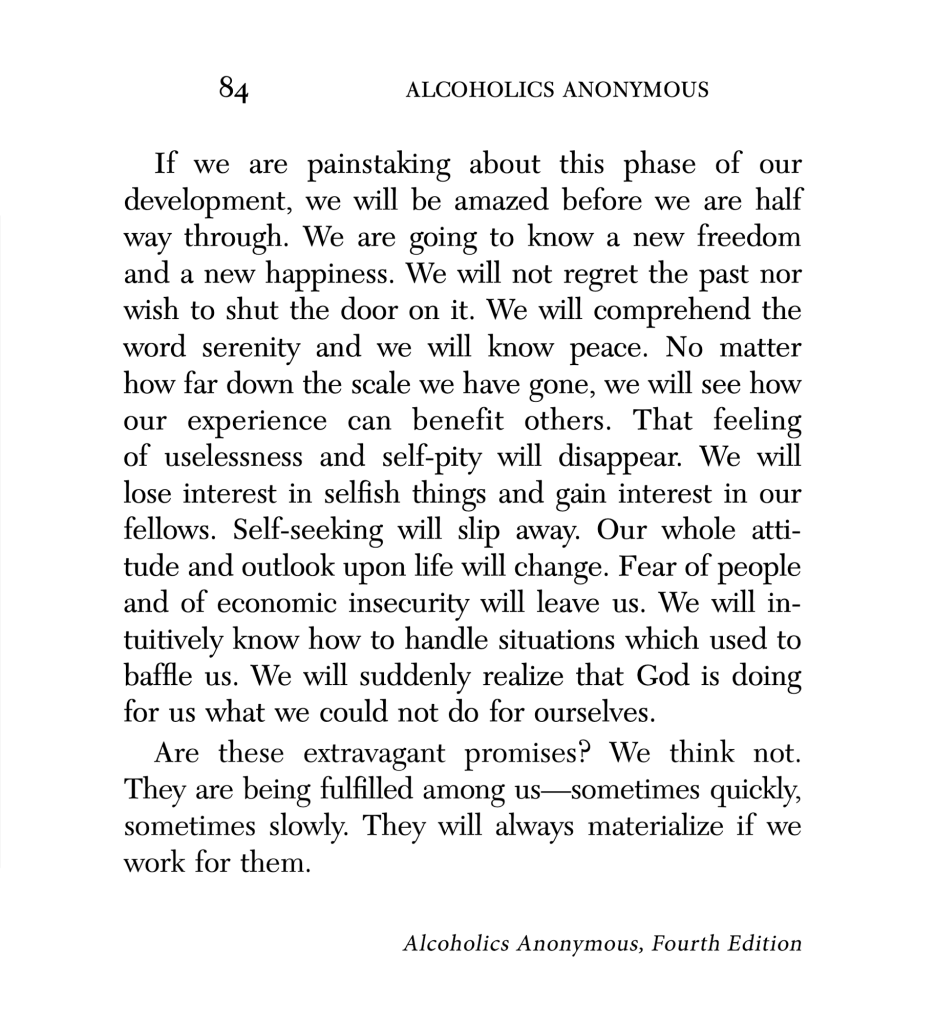
One thing that I didn’t mention was the meeting with its open format meant my partner at home could hear my share. One of the many miracles is that despite everything she remains by my side and as I saw her name in the box on the screen the words of the step nine promises echoed

Are these extravagant promises?

We think not! 💚

Sunset

Finding some balance

Do not pray for an easy life, pray for the strength to endure a difficult one.

Bruce Lee

This post is a reflection on the journey of finding balance. For many of us the twelve-step program serves as a “sufficient substitute” for our addiction and it makes sense, as the regimen of life in recovery demands new patterns and processes, gradually shaping new pathways in thinking and acting.

At times, I’ve been guilty of religiously dedicating myself to service. While service has kept me relatively sane, sober, and in a much healthier place in life, I’ve made mistakes in judgment and decisions. I’m grateful to now recognise these errors.

For instance, insisting on attending a meeting on our anniversary wasn’t wrong in itself, but my bullish attitude in refusing to take a day off was. While some might view this dedication as commendable in recovery circles, I realised it left my loving partner feeling let down.

I’ve also allowed my program to dominate conversations countless times and I struggled with managing my time better, often being late or absent from life due to taking and making calls. Don’t misunderstand me here, these aren’t necessarily negative things but rather manifestations of my incapacity to empathize with loved ones and see things from anothers’ perspective.

Approaching three years on this journey, I’m filled with gratitude for the growth, accountability, and newfound love for life. From shame to grace, from seeing suicide as a sensible option to cherishing life and my fellow man, it’s been a transformative experience.

My addiction had been futile attempts to find and maintain balance on my own terms, resulting in a constant struggle and a paradoxical existence filled with pain, “just the once was too much and never enough for me”

The balance I seek now is one I receive and rest in, rather than striving for with sheer stubbornness. I’ve been reflecting on how God doesn’t promise us happiness or an easy life but rather the strength to endure a difficult one. While happiness may elude us, peace is far more important.

This year, my personal goals revolve around being kinder to myself and taking better care of my well-being to continue being of use to others. This includes participating in marathon and ultra events, as running brings discipline and solitude without isolation. Additionally, I plan to reconnect with music, whether playing at open mics or ministering through song, as it’s an integral part of who I am.

I also aim to grow my business, embrace the future with my beloved, and continue to make amends to those I’ve hurt, especially my family and myself.

Here’s to staying present while recognising that my program of living, supported by a loving God, is the foundation holding my life together, rather than my ego’s attempt to cosplay God and “conduct the orchestra”

God

A time to be silent and a time to speak

Spread the good news at all times and if necessary, use words

St Francis of Assisi

I am first and foremost a recovering addict. Despite my desire to help others, I often find that my own efforts and intentions to assist rarely lead to the desired outcome.

At times, it’s difficult for me to admit that I lack the words or solutions for some of the problems encountered in recovery. I have to remember that my experiences are unique to my journey of overcoming Sex Addiction through the Twelve Steps and a dedicated approach to attending and applying the insights gained in both meetings and in therapy.

Here lies the crucial lesson I need to remember: lived experience outweighs theoretical knowledge. My mess becomes my message.

The fellowship and steps complement my therapy journey with an accompanying professional, and that synergy works well for me. While the program itself doesn’t propose to solve all my problems, it has been effective for millions worldwide since its inception within Alcoholics Anonymous. However, it’s essential to note that my deeper pain required more than just adhering to the program; it demanded confronting my reality and finding the willingness within myself to allow the program to liberate me from the bonds of shame, grief and unforgiveness.

The program isn’t a miraculous cure; it consists of simple and straightforward steps and traditions and most importantly taking action. They’re steps I must continuously take; merely understanding them without action doesn’t benefit me. In my initial meeting, I naively thought that gaining knowledge would instantly lead to break through, but it took me mere minutes to realise my mistake.

The crux is to focus on the necessary actions and remember that none of these steps are meant to be tackled alone.

  • We admit our powerlessness. Admit!
  • We came to believe. Believe!
  • We made a decision. Decide!
  • We made a list. Ah ok I get it!

Overthinking in addiction recovery can be paralyzing and, quite literally, life-threatening. Some get stuck on the spiritual aspect, others on honesty, and some on acknowledging powerlessness. Numerous bottlenecks arise, most tangled within the ego’s self-justification.

Sometimes, I notice myself overcomplicating things. For instance, as we approach another new year, I’ve spent weeks planning my next marathon to get lean and athletic, yet I’ve done nothing in the past fortnight. Waiting for the perfect moment where I “feel” ready will only keep my trainers clean and render no calories burned. Action is needed, starting today.

Today, I felt the words ‘pray it, don’t say it’ echoing within me—a call to exercise restraint and say nothing.

As someone who finds solace in writing and organising thoughts, I must prioritise my well-being day by day. If that aids anyone else, that’s fantastic. Yet, it will never be solely my words that accomplish something; it’s the strength derived from my shared experience and the evident hope within my journey of recovery.

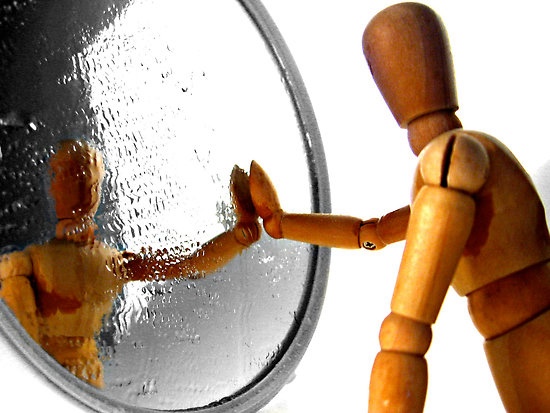
Lately, I’ve been overwhelmed with empathy for others. While feeling others’ grief and pain is profoundly human, fixating on their pain and trying to muster the right words often diverts attention from the solution. Sometimes, my ‘have a go hero’ persona attempts to emulate or cosplay as God, but I recognise it’s a call to land on my knees and start with self-reflection and start with the man in the mirror.

Brain Paths

Scarier than the movies

Truth is stranger than fiction, but it is because Fiction is obliged to stick to possibilities; Truth isn’t.

Mark Twain

Trigger Warning: This post discusses sensitive topics.

In today’s era of Artificial Intelligence (AI), the image often evoked is one akin to catastrophic Hollywood scenarios or the ominous future portrayed in films like Terminator or The Matrix.

While the debate primarily revolves around theoretical concepts, there exist tangible, darker forces contributing to the escalating global epidemic of problematic behavior linked to pornography. Similar to substance abuse, the model of escalation indicates that yesterday’s threshold becomes today’s norm. When applied to pornography consumption, this progression can be alarming.


A recent post in an outdoor enthusiast community sparked my contemplation about the seismic shifts happening beneath our feet in the realm of AI.

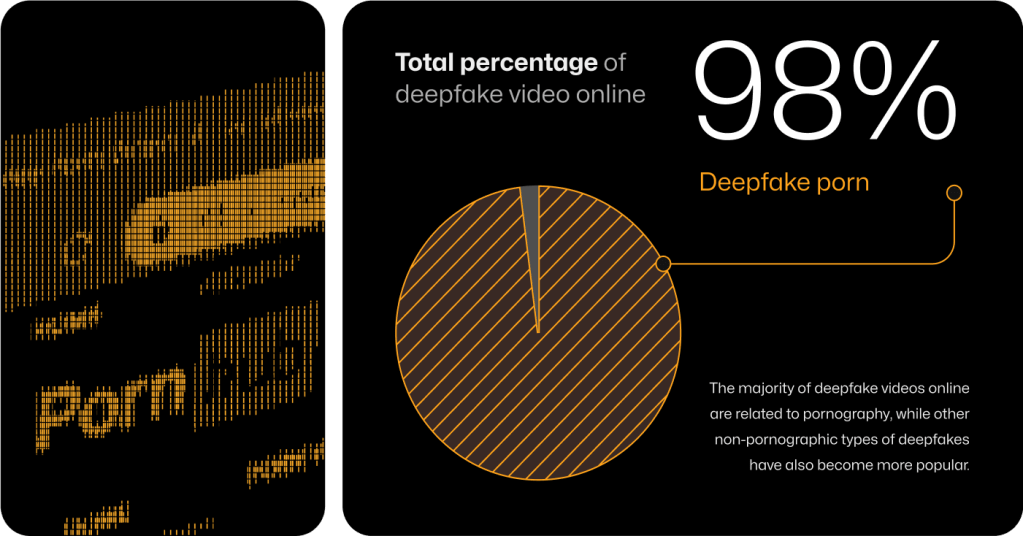
Estimates suggest that approximately 98% of deepfake porn constitutes non-consensual pornography. While unsurprising, the findings from the IWF’s study make for uncomfortable reading.


What’s distressing is the projected rapid growth of this trend. If AI-generated imagery of this nature proliferates offline, discerning and removing Child Sexual Abuse Material (CSAM) from online platforms, and distinguishing real from fake, will become an increasingly arduous task.

The lack of awareness surrounding online content consumption is disquieting. Past examples, such as The Sun newspaper’s publication of images of a 16-year-old model in the late ’80s, only recently held accountable, highlight societal objectification. Moreover, the coupling of offline content creation with the distorted belief that online consumption is victimless intensifies the challenge of combating this issue.


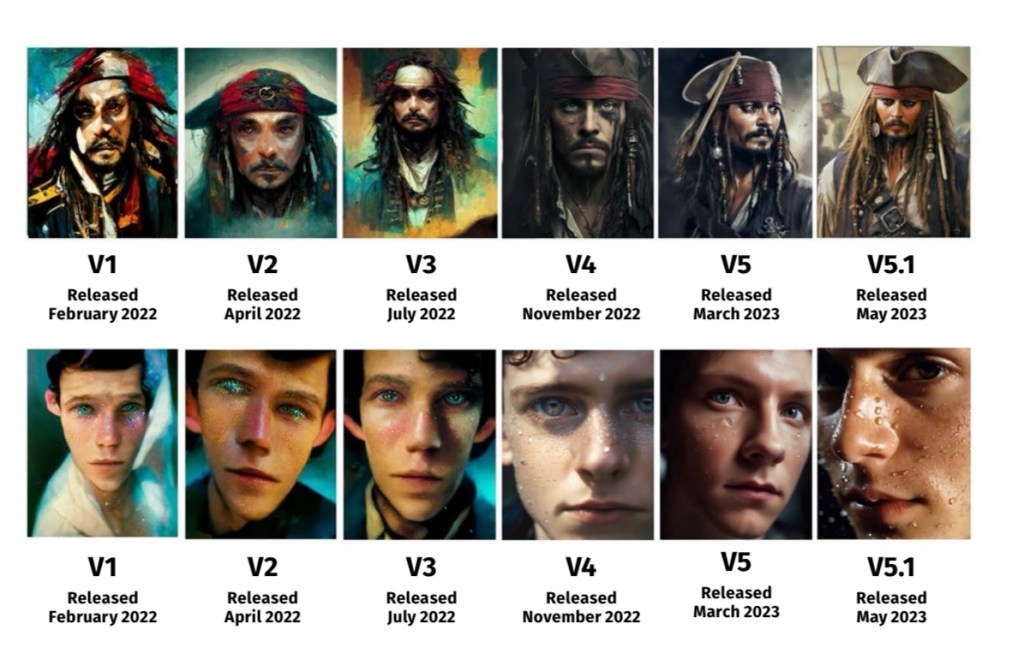
The progression of text to image generation is alarming

Personally, having entered recovery before the full surge of this issue, I fear a potential increase in individuals, especially young men, veering from “normal” consensual pornography toward darker, illegal content and fantasies.

I’ve witnessed the shock on young men’s faces when they realize the potential legal implications of seemingly innocuous content like animations or anime. As legislation begins to encompass non-consensual deepfakes, the normalization of such content on mainstream sites challenges the claims of those who view the porn industry as harmless and empowering to women.

The future presents a daunting prospect in the realm of addressing the scale of Sex Addiction. While my life’s mission revolves around redeeming past mistakes, I’m deeply concerned about the escalating present situation.


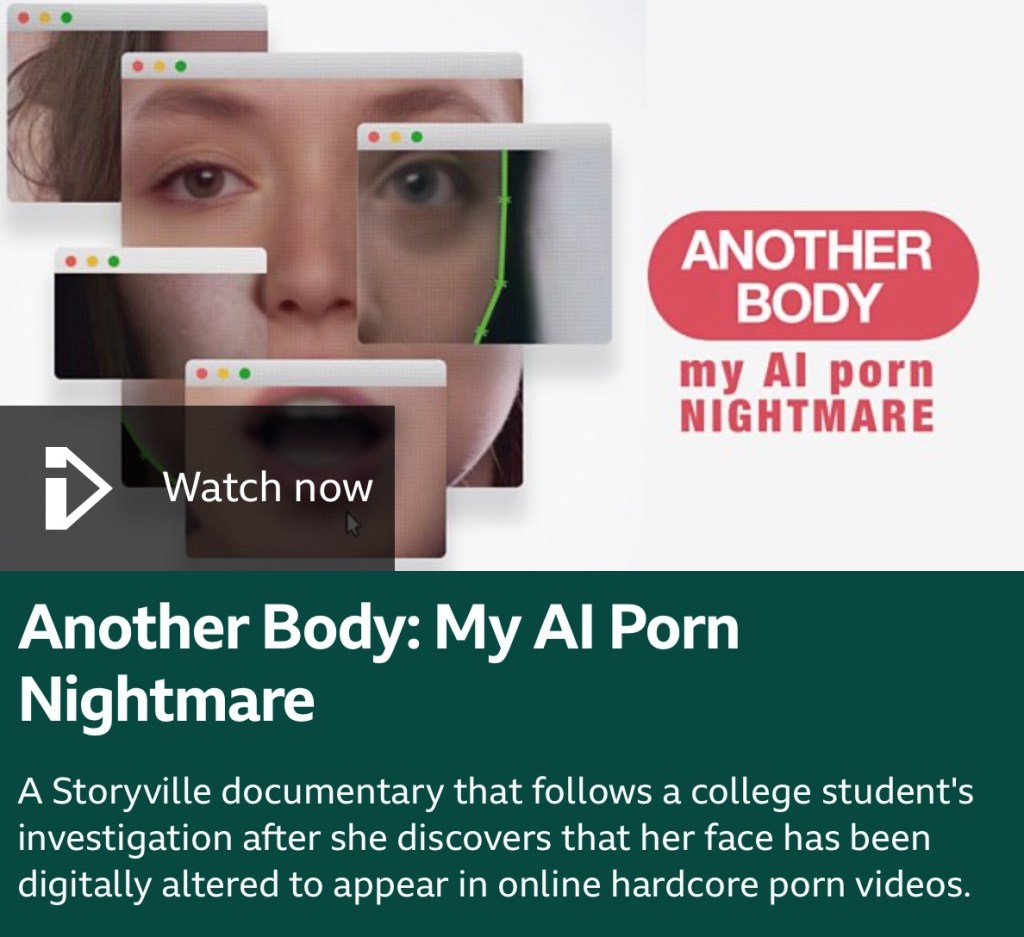
Documentary Link Below – Trigger Warning ⚠️

https://www.bbc.co.uk/programmes/m001w2jr


I hope for a wake-up call among more individuals to challenge the perilous consequences of blindly consuming pornography. Initiatives like “nofap” and “No Nut November” attempt to address this issue, yet I notice a rise in startups targeting symptoms of this problem, aiding young men facing erectile dysfunction, hormonal imbalances, and premature ejaculation. This echoes the early stages of tobacco being linked to cancer, with the industry dismissing initial concerns.

In conclusion, like any technology, the responsibility lies with the user – whether for good or ill. I’ve experienced technology’s darker side as a destructive force, but within recovery, it can serve as a tool with proper boundaries, accountability, and regulated screen time.

If you find yourself stumbling upon this post with concerns about escalating online pornography consumption beyond your control, consider exploring other posts on this site. If you’re trapped in repetitive behaviors, there’s help available at the link below:

Sex Addicts Anonymous

Further Reading:

State of Deepfakes

IWF AI CSAM Report

Camping night sky

The best and worst thing about recovery.

A person in our life described me as someone without empathy. That’s a massively outdated statement that anyone could make about me. It was true in the past, albeit unknowingly, but it’s not true anymore. These words were nothing more than projectiles with the intent to do harm, so I added this to my inventory of resentments. Words often land with me, and if I allow it, I can get completely bent out of shape.

They say the best thing about recovery is you get your emotions back, and the worst thing is you get your emotions back.

I know my faults and my wrongs. My life of recovery is one that focuses on living my amends for such things. It’s a continual process and one which is not without its miracles, it’s impossible to spend so much time in relating to shared human struggle and not develop a strong ability to see things through the eyes of another.

In the past, my empathy was a selective theory. It was hypocritical, and like my worldview and value system, I was merely someone with a free subscription. I never really committed to premium because I was all about what I could get in life. I would argue that those of us in need of recovery lost ourselves to things, and it is our true selves that are ‘Recovered.’

Part of getting well was the admission that my approach to life had stunted the ‘me’ I should have been from fully developing. I had to stop living for me and start living for something. One of my favorite bands, Enter Shikari, sang, ‘If you stand for nothing, you will fall for anything.’ It’s true. I fell for so many lies I cringe at the distorted thinking I allowed to run rampant in my life.

Trying to build relationships with an inability to relate or see beneath the surface was why intimacy, trust and ultimately steadfast love eluded me for years

I now have moments where I am overwhelmed with feelings. I am grateful for them, but at the same time, I wish I could revert to being a little more stoic at times. But I recognize that allowing feelings to do their thing and not be dictated to by them has seen much personal growth, whereas years of self-regulation kept me isolated, like a potted plant.

I have been overwhelmed this week with immense gratitude and spiritual relief as I feel I have transitioned through so many landmarks in my personal journey. While I remain grounded firmly in the reality that my addictive behaviors could easily be resurrected if I stop doing the basics, I feel, for the first time in a long time, at a place of rest and peace.

I finish writing this post from a silent and warm tent on the side of a hill. I feel the rise and fall of the breathing of my four-legged companion while snuggled up next to me sleeping in her little sleeping bag and fleece sleepsuit. We made time to get out of the house today to connect with a dear friend and went for a much-needed walk.

As advent rolls on, I look forward to this Christmas at home with my loved ones, and to quote a friend of mine, ‘I’ve lucked out.

the porn trap

Presence over Presents

Advent is so much more than a religious period building up to Christmas. My partner, our doggo, and I each have an advent calendar. That may sound odd, but that’s our little bit of family time to start the day together.

When I was younger, advent was the part I couldn’t wait to speed up, so I could get straight to presents and the excitement of the big day. When I compare that to my attitudes towards sex, the same can be said for the need to hit fast forward and skip to the “good” part.

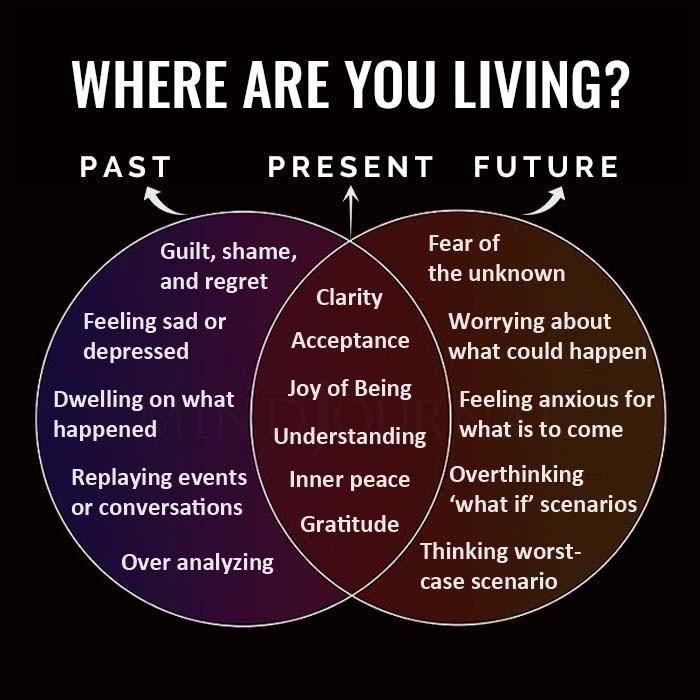
As a grown-up now and someone in recovery, the focus has shifted. I place much more value on today, right here and right now. Being present is still a work in progress; advent has come to symbolize some realities about being rooted in the moment.

Firstly, it is gratitude and joy for the arrival of the promise, the one who, as the story goes, arrived as a mere mortal born in humility. He grew up knowing no wrong and bore my deeds as an act of love and reconciliation, to bring me “from shame to grace.” This arrival heralded the end of a period of waiting and expectation; this Christmas feels like that for me.

It also symbolizes to me the reminder that I live in an imperfect world. The reconciliation and redemption I feel doesn’t deliver me from this world, nor does it promise perfection now. It’s a reminder that the hope of glory to come and grace is sufficient for me to see that even with the brokenness in the world, there is much to be grateful for and celebrate.

As I sat at my desk this morning, the glow of the Christmas tree lights caught the stealthily embossed text on the front of my Big Book of Alcoholics Anonymous. On my bookshelf, the books “The Porn Trap” and “Your Brain on Porn” were visible. The irony of the moment made me reach for my phone to take a picture.

The Step 9 promises say that “we will not regret the past nor wish to close the door on it.” Does that mean that I don’t regret where my addiction took me or play down the severity of boundaries I crossed, hurting those nearest to me? This, to me, means I accept that I can’t change it. I don’t have the ability to turn back time and do things differently. It also means I accept that I own these things and that means I don’t have to be incarcerated in chains of shame like Jacob Marley in “A Christmas Carol.”

I have met the ghosts of my past, present, and future, and they all taught me that connection to others and a life of servitude to my fellow humans is far more rewarding than the objectification of others.

As the days on the advent calendar pass, I lean into all the complexity of life, one day at a time: the ups, the downs, and everything in between.

Some of my precious moments now are in observing healing and forgiveness in others. When I hear stories of forgiveness and reconciliation in the rooms, I often well up. The gratitude for the simple act of holding hands or a family member being willing to move on from the past and invite them to that Sunday dinner. These are the miracles I get to see regularly.

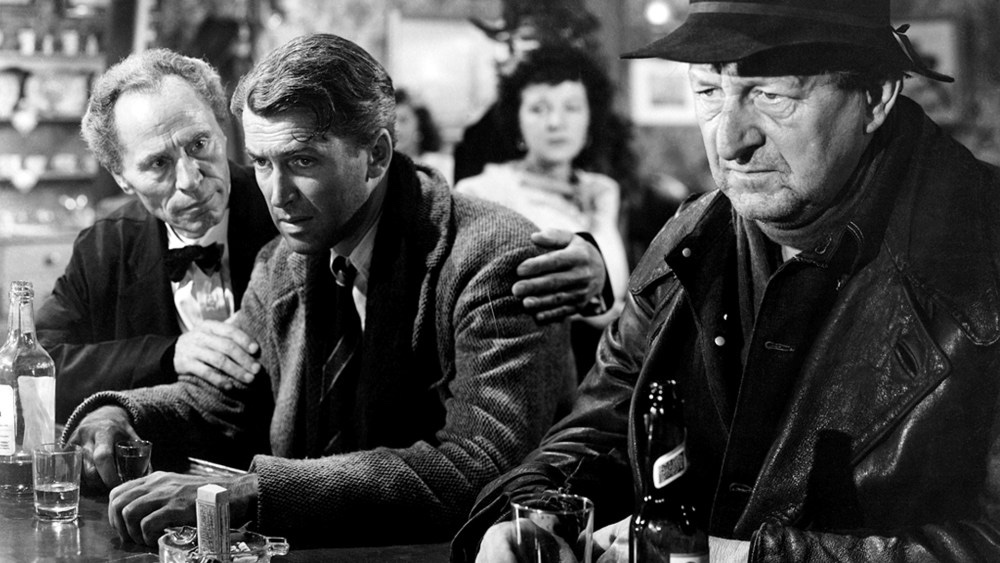
“A Christmas Carol” or “It’s a Wonderful Life” are timeless for a reason. They tap into all the things that make us human and focus on bringing together the isolated and broken.

I will leave you with the reminder that little baby Jesus grew up to say, “Healthy people don’t need a doctor—sick people do. I have come to call not those who think they are righteous, but those who know they are sinners.”

Choose presence over presents.

Relationships

The potholes in the road to intimacy.

Recovery is a process that entails a necessary death of the self-serving nature. A giving away of one’s life in order to keep it.

Many of us crash into this journey, witnessing our distorted worldview and stunted sense of meaning die before our eyes.

Today felt like a pessimistic jolt of reflection. A veil of rose-tinted thinking was attempting to take hold in my mind. The good thing is, I can spot this stuff a mile off, so it’s just a matter of how long the accompanying cloud will last.

I received a call from a fellow today. I explained this feeling, sometimes the challenges of the day and difficulty communicating needs are met with a nostalgic reflection of the simplicity of “the bubble” we used to live in. Think of it like Cypher longing to be put back into the Matrix.

I pondered the subject of emotional and physical needs and its challenges, contemplating what they look like for me.

First and most obvious is my journey as a recovering sex addict; it involves experiencing healthy intimacy, but to do so I need to take care of my side of the street.

Here’s my interpretation of the cycle of failing to meet ones intimacy needs in recovery:

  1. Firstly, we have the healthy human longing to experience intimacy and meet our need.
  2. Then, we may encounter the difficulty of instigating a sexual interaction or expressing these needs to our partner.
  3. We may experience issues with anxiety or rejection which reinforces the view that intimacy isn’t met by reaching out, we experience pain.
  4. The longing for healthy intimacy, mixed with rejection and resentment, is a challenge to serenity and leads to substituting the need with distraction, acting in, being busy and depending on one’s definitions of abstinence, even safe masturbation is a secondary means to meet ones need and remain abstinent from core behaviours but lacks connection and intimacy.
  5. The genuine and healthy desire for intimacy remains unmet, and each time this cycle is repeated it reinforces intimacy-avoidant behaviors and a state of inaction.

This cycle is probably present in a majority of marriages if the stats on pornography consumption are put into context, but in recovery even with mindful masturbation and all its boundaries, it isn’t far enough removed from the past for me to consider it healthy, it’s the second choice stunt double for the real thing with ones partner.

For me, recovery in a relationship shouldn’t solely focus on abstinence from core addictive behaviors but should involve a two-way traffic of love, affection, and mutually fulfilled sexual needs as part of life in a relationship.

This fifth stage of avoiding intimacy involves two parties: the partner and the recovering addict. The partner navigates the trauma and fallout of the unexpected mess caused by the addict partner, likely unaware before the disclosure.

Both can fall into destructive self-thinking—“I’m not good enough,” “they must not find me attractive anymore,” or “it’s just too awkward.” This thinking isolates both partners, creating a mutually managed friend zone within the relationship.

This interpretation is just one among many, and truthfully, I understand why stories of intimate reconciliation are few and far between.

Having patience and waiting for that healing to manifest are challenging, and communicating needs or sending out signals can be painful when not realised.

The choice is to believe and trust God to bring healing and reconciliation to the relationship. It’s not easy; you can’t just put on some aftershave, buy flowers, and expect the magic.

The foundation of a relationship in recovery rests on sincerity, authenticity, and remaining honest and accountable. They say it takes two to tango, and it’s also true for healing in love.

Difficulty arises when old-school thinking kicks in but as with most challenges on this journey reflections on gratitude, the progress, and the strengthening the relationship has had help to dispel these moments.

My own process of the ego and self-being put to death is ongoing. The temptation is to ignore one’s loving higher power – God and opt for the lower power of self, I can often find myself conjuring forth the zombie addict like some amateur reenactment of raising Lazarus. The “lower power” is when I try cosplaying God; I end up looking like a twat, and the miracles are shit.

I hold fast to my confession that healing doesn’t happen over night and until I experience the loving return to intimacy, I need to focus on gratitude, not trying to meet present needs with past thinking or keeping my feelings silent.

Grant me the serenity? 🙏

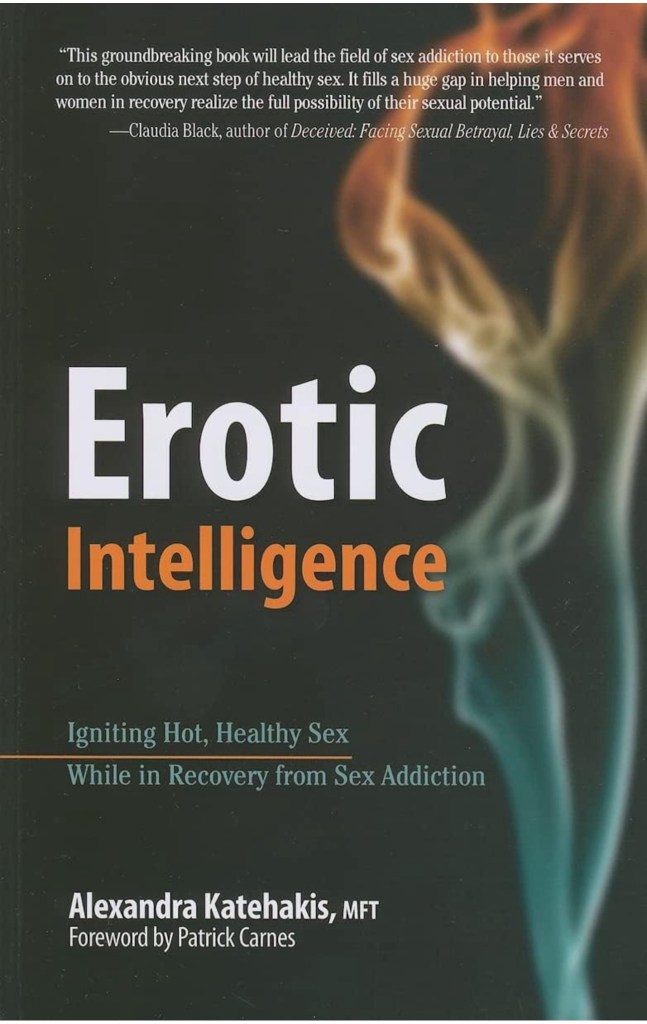
https://amzn.to/46LZevU
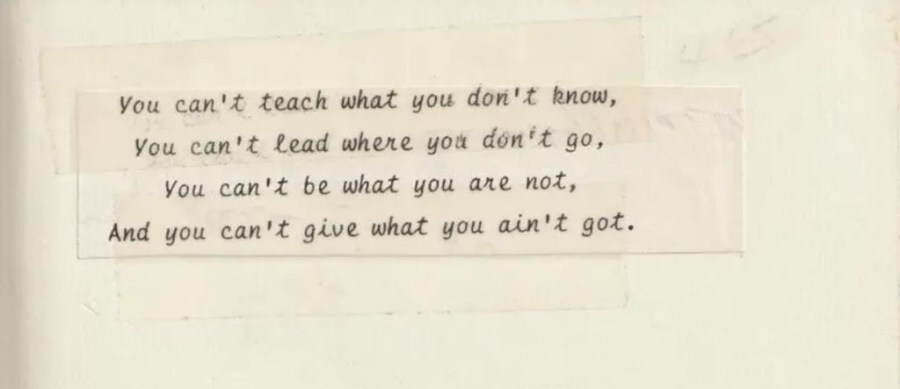
You cant teach what you don't know

The battle between the ears

“We become what we think about most of the time.”

Earl Nightingale

I remind myself often that I am not my thoughts; it is the first rule of therapy in application. Whether it’s intrusive thoughts of sexual fantasy or, as I experienced in the past, ones of my own demise, it is important that I know how to dismiss dangerous thinking.

Thoughts are crucial because they lead to actions. We are what we do with the first thought. For addicts, that’s usually the difference between recovery and relapse. We also have to be vigilant of distorted thinking creeping back into our lives.

I am finding that how I spend my time really matters. What has my focus generally determines what I think about.

“Do not conform to the pattern of this world, but be transformed by the renewing of your mind.” – Romans 12:2

This scripture is one I come back to time and time again because most of my distorted thinking creeps in when I compare what’s dangerous for me to what is harmless to others. Comparing myself (an addict) to my friends (people with the ability to stop) usually sparks boundary behaviors in my thought life. An example being something like Instagram; I need screen time limits and to be locked out of using it during nighttime hours. I may think I can stick to a couple of funny dog videos, but it would easily become a whole night of “pesting” as I scroll and click away through hundreds of girls’ accounts.


It’s just like the big book says about half-measuring and pushing boundaries with the first thought.

“Suddenly, the thought crossed my mind that if I were to put an ounce of whiskey in my milk, it couldn’t hurt me on a full stomach. I ordered a whiskey and poured it into the milk. I vaguely sensed I was not being any too smart but felt reassured as I was taking the whiskey on a full stomach. The experiment went so well that I ordered another whiskey and poured it into more milk. That didn’t seem to bother me, so I tried another.” Thus started one more journey to the asylum for Jim. – Page 36, Alcoholics Anonymous


I write this as a sponsor reflecting on my own failures, hoping that it can help fellows find their own way. I can say that the program taught me to fail in a forward direction, and I am now able to share how my own examples of “the whiskey and milk” hampered my progress and prolonged my pain.

The most dangerous distorted thinking I found in early recovery is “All or Nothing” thinking. It’s the mindset that says a thought entered my mind, I’ve internalized it and got triggered, maybe I should act out; I’m as good as there already. It’s childlike thinking to me, and it reminds me of when I was a young boy. I would have such a perfectionist approach to coloring that if I messed up and colored outside the lines, I would tear the page out and pretend it didn’t happen. It was that thinking that kept me in shame and addiction as an adult.

The more I spend immersed in service, recovery, spirituality, and my outer circle lifestyle, the less space my old thinking gets in my mental hard drive.

The program is one of rituals as our old rituals and best thinking landed us in a room every week with other addicts sat in plastic chairs and that’s if we are the lucky ones, some never find help and recovery, some only find misery, rejection, jail or even death.

I’ve recently started reading my Recovery Bible, and it’s great to see so much twelve-steps application to scriptures in the side notes and devotional parts. Suddenly, these stories from thousands of years ago, the same screwy humans with the same distorted thinking and failings, give me comfort, knowing they too found grace and a chance to move on beyond their failings.

https://amzn.to/3QY7qDn

If the Big Book and the Bible are considered brainwashing literature, I am the first to admit mine is a brain that needs washing. Hell, I will chuck it on a rinse and repeat myself.