“However, sexual anorexics do have a definite profile that separates them … They are often extremely competent people who are committed to doing things very well and have a fear of making mistakes and being human.”
— Sexual Anorexia: Overcoming Sexual Self‑Hatred By Patrick J Carnes
Who’s ever heard of the honeymoon period? Everyone, right? It’s that stage in a relationship where we get used to the other person being in our lives — and the novelty fades. Excitement gives way to familiarity, and things can start to feel like hard work. That’s the cultural expectation we’re sold: relationships inevitably settle into stagnation, and the spark dies. We absorb these ideas through stereotypes that often carry a cynical edge — and if we don’t challenge them, they shape our standards.
Stereotypes persist because they land on some emotional truth. But they also become self-fulfilling if we don’t dig deeper.
In therapy, I’ve learned to put words to complex feelings — and there’s not much more complex than sex. Porn often disconnects people from true intimacy. It’s one-way traffic. It offers a counterfeit high: intense, instant, and seemingly safe. But it requires no real effort or vulnerability. There’s no risk of rejection. It’s all reward, no reality. And when real sex, with all its imperfections and emotional weight, feels inadequate by comparison — the gap grows.
As someone who’s lived with a long dependency on sex, I know too well the bittersweet pang of premature ejaculation. It’s real, it feels amazing — but often leaves you hollow, like something essential was missed. If that experience repeats enough times, it becomes easier to avoid sex altogether. Easier to retreat to solo coping mechanisms. And the shame cycle tightens its grip, keeping many men isolated from their partners.
If I were to describe what true sexual intimacy feels like, I’d say it’s about finding one another in the chaos of life. In my hopeful romantic years, I was drawn to films we called “chick flicks.” I idealised love — and maybe that helped me linger in the date phase without learning how to grow beyond it.
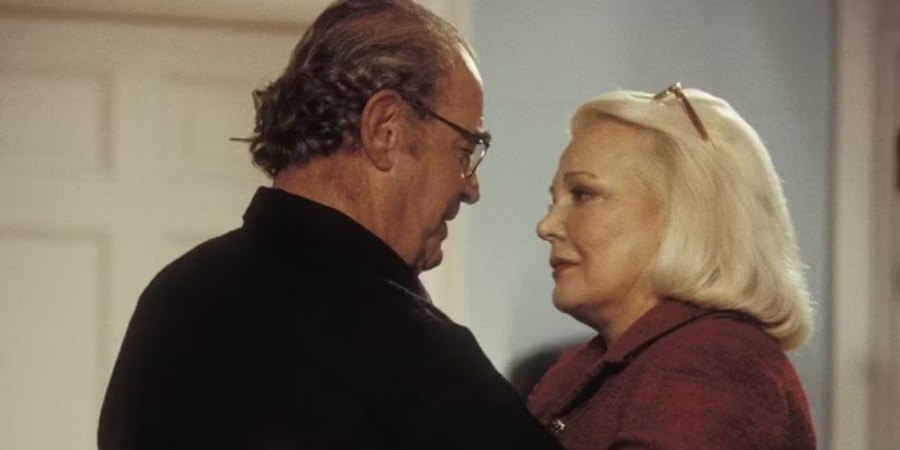
One of my favourites was The Notebook. Noah reads their love story to his wife, who now has dementia. Most days, she doesn’t recognise him. But he tells it anyway — day after day — in the hope of a breakthrough. And then, for a fleeting moment, the clouds part. She remembers. They hold each other. They dance. They say the words. Then it fades again, and she forgets. The heartbreak on James Garner’s face in that moment wrecks me every time.
That, to me, is what sexual intimacy feels like. You can’t schedule it. You can’t manufacture it. It’s not a performance or a tick-box event. It’s a moment of mutual presence — raw, messy, and sacred. When it happens, it’s perfectly imperfect. It reminds you what’s possible when you’re really with someone. And it leaves you wondering: Why don’t we come here more often? What keeps us hidden behind the clouds?
The greatest strength in my relationship today is our ability to communicate. After surviving the rupture of sexual addiction disclosure, we’ve had to rebuild — but we’ve done it together. We support each other. We show up. We don’t let petty resentments run the show like they once did.
If I act like a dickhead (and I do), then it’s on me — in recovery and in life — to admit it, make amends, and commit to doing better. That ongoing honesty has transformed us. We rarely argue now, not like in the first seven years. Over 11 years in, we’re finally a team.
I used to meet discomfort with impatience and turn it into isolation. That fed my resentment, and that resentment told me I was entitled to escape into my own world. Now, I talk. I name my feelings. And we meet each other there. In the pressure and noise of life, we make space to reconnect — even if it feels like untangling the wires behind the telly: hidden, messy, and easy to ignore.
But avoidance isn’t recovery. If you’ve “recovered” — great. But what have you recovered to? What does healthy sex look like for you? Is it something you still don’t talk about?
Vulnerability, honesty, and sharing aren’t just for the therapy room or the recovery circle — they’re for the bedroom, too.
 Basecamp Recovery