
“The essence of trauma is disconnection from the self. And the healing is in reconnection, in discovering that you were always worthy, always enough.”
— Dr. Gabor Maté
As a kid, I remember how deeply my identity became intertwined with the vision of being a soldier — a Marine, to be specific. I went to open days for the Royal Marines and the Navy, and to this day, I still feel a connection. Sometimes that connection is uncomfortable.
The outdoors has always been — and will always be — a place where I feel in perspective. There’s something about standing on the side of a mountain and flying my drone out into the distance that reminds me just how tiny I am and how massive nature is. I find comfort in that. And my faith tells me that even in this reality of insignificance, I’m important. That I fulfil a role in the world only I can. That the very hairs on my head are numbered.
That same value — that same sacred worth — applies to every single person, regardless of race, religion, or whatever other metric we humans use to divide ourselves.
When I placed all my hope and identity into the military and it didn’t work out — twice — I was left lost. At 16, holding back tears on the train home after failing again, I felt like I’d already blown my life. That failure stayed with me for years. I couldn’t shake the label I’d given myself.
Today, in my 40s, I work part-time in a bar to supplement my small self-employed business. I meet a lot of veterans — and a lot of guys who, like me, carry that same lost feeling. I see people every day who are hurting, putting on brave faces, venting anger about things that aren’t the real issue. Just trying to escape the pain of their own lives.
I live today with a universal love for my fellow humans. But I still struggle. I still have to catch myself when I find my gaze drifting and turning the fairer sex into objects. I’ve developed tools to spot that objectification in my thinking — and to stop it. That’s part of why I believe pornography is such a damaging thing: it robs people of their dignity. It reduces them to parts. It devalues something sacred.
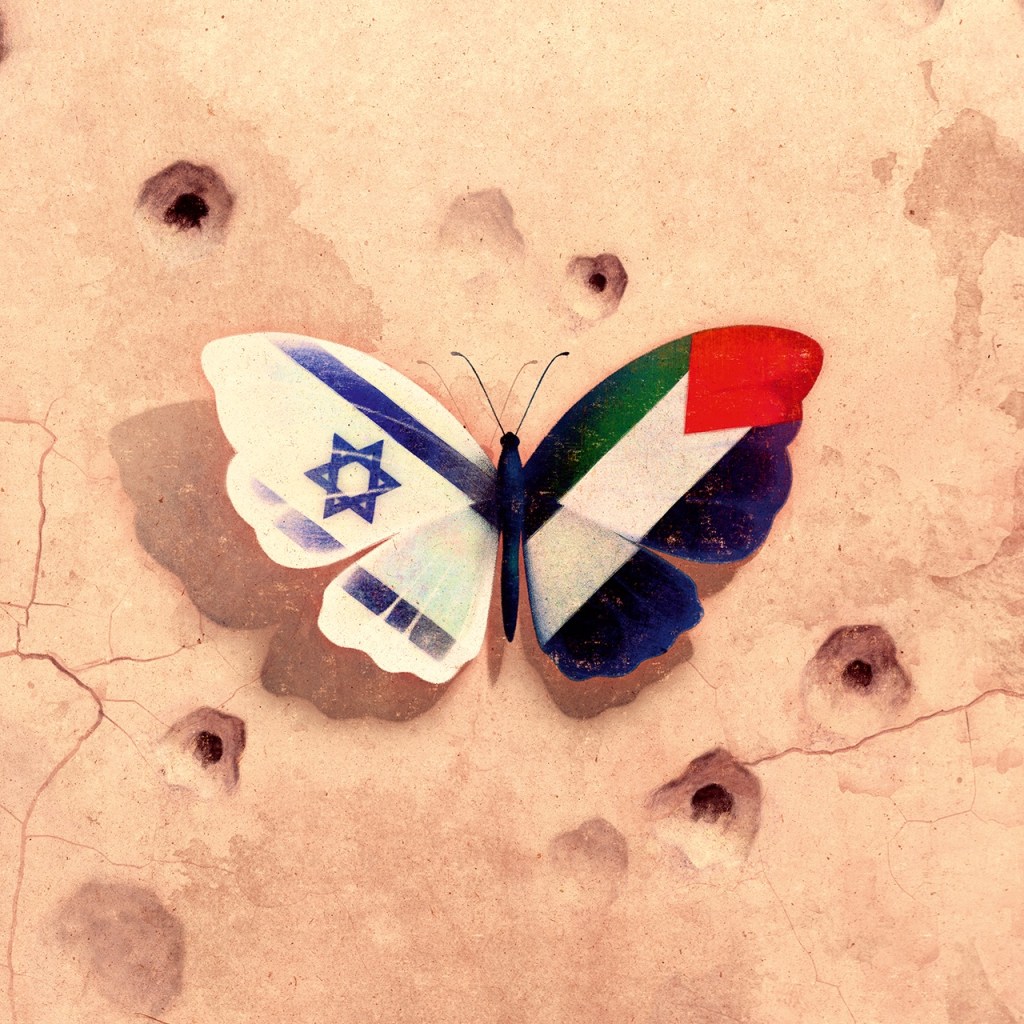
When you start living with a higher view of human value, it becomes hard to stomach what you see on the news. It breaks me to watch what’s happening in the world — the way people are dehumanised, treated as disposable, even as target practice. A rogue military backed by a global arms industry. A Western church that’s lost the plot, baptising nationalism and forgetting Christ.
I still know people in the profession that gave me such a long hangover from my younger years. Life has shown me it’s just a job. And that’s helped me. I’ve got a lot of respect and admiration for the lads who serve — and I still carry a heart for them. But I don’t have to see soldiering as the defining measure of worth anymore.
Today was a quiet day at work. No shouting, no angry old blokes ranting about women pundits in sport or refugees in boats — just a young recruit chatting with me about drones and emerging tech. As the conversation drifted, we touched on AI, facial recognition, and drone warfare — specifically quadcopters carrying munitions capable of precision strikes in urban environments.
And then it hit me.
The British military are procuring and acquiring weapons systems based on how they’ve performed on real people in real theatres of war. These technologies are developed, refined, and tested — in places like Gaza — and then brought into service. It’s not just theory or simulation. It’s real-life results… on human lives.
I felt physically sick. To think that the profession I once idealised is now so entwined with this kind of complicity. But I can’t get too self-righteous — because I too have dehumanised others in my life. I’ve consumed people. Turned them into disposable visuals. That history still carries shame for me.
Politics has always been a trigger. But even with my baggage — even with the mistakes I’ve made — I can’t ignore the feeling that we’re heading toward a point where society will look back in horror at what we allowed. At what we ignored. At how we looked the other way.
I’ve always come from the dissenting left. As a Welsh family, we were Labour through and through — the old, working-class, union kind. I’ve worn a keffiah for years, and even during my time as a reservist, I struggled with the casualness I encountered when it came to the militaries attitude to taking lives.
I’m sharing all this because, over the last few years in recovery, I’ve been quiet. I didn’t want to rock the boat. I felt like my opinions didn’t count because of who I’d been — like I had no right to speak. But that’s shame talking. And I don’t want to live out of shame anymore.
That doesn’t mean becoming a crusader or a moralist. I don’t need to preach at anyone. But I do live in a society. My vote counts just like everyone else’s. And I no longer want to avoid difficult conversations or look the other way when something is wrong.
So, maybe this is me reconnecting with politics — not as a source of anger, but as a response to love. Maybe it doesn’t have to be a trigger anymore.
Maybe, just maybe, I’ve just found peace in the idea of significant insignificance again.
“We have been silent witnesses of evil deeds. We have been drenched by many storms. We have learned the art of equivocation and pretense… Are we still of any use?”
—Dietrich Bonhoeffer, After Ten Years
 Basecamp Recovery