Since my time in the Twelve Steps, I’ve seen people come and go—some to better lives, others back to the places they were trying to escape. Letting people go their own way and figure things out can be a painful process.
For many of us with addictions, our behaviours were illusion-based attempts to feel control over life: to regulate feelings, avoid discomfort, distract from pain, or numb the struggles life throws our way.
One observation I’ve made is that the spiritual aspect of Alcoholics Anonymous (AA) can be a stumbling block for many. There’s an intentional reluctance in the program to let people intellectualise spirituality or try to grasp its mysteries. Instead, the invitation is for each person to find their own Higher Power, whatever that may be.
But here’s the challenge: many of us have already created our own gods in our minds. Addiction was the god, and the behaviour became the spiritual practice.
It’s strange, then, to witness the wrestling of an addict explaining their reluctance or disdain toward the concept of God. For some, this resistance stems from deep-seated traumas: pain inflicted by a flawed, “believing” parent, or toxic cultural encounters with religion during their youth. These complexities make the idea that “we are spiritual beings having a human experience” a difficult truth to arrive at. The program, wisely, doesn’t try to offer a one-size-fits-all solution. Instead, it leaves the individual to find their way—or not, as is sometimes the case.
When you combine this existential wrestling with the challenges of processing emotions, healing trauma, navigating withdrawal, and learning to live life on life’s terms, it’s easy to see why the Steps aren’t for everyone. I’ve lost count of how many times I’ve felt resentment toward the program or the meetings. But when I pause to reflect on where I’ve come from, I find grace—for the process and for myself.
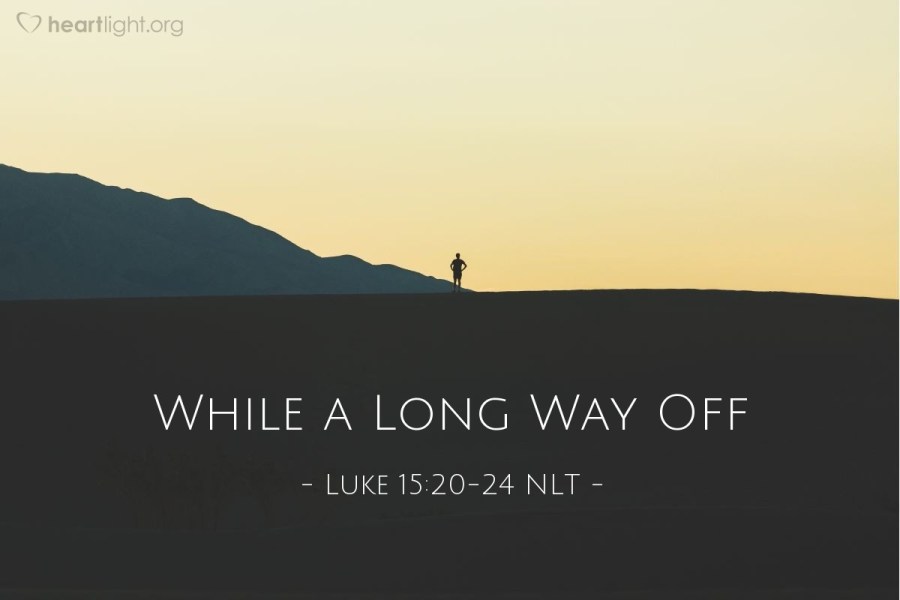
There’s a phrase in recovery: progress, not perfection. It’s a sentiment that clashed with my old-school beliefs about God. I was raised to believe in an angry, all-seeing God of justice. But one perspective softened my heart: Luke 15:20, the story of the prodigal son.
The verse says, “While he was still far off.” The son, who had squandered everything on reckless living, thought, I wonder if Dad would take me back? And yet, while he was still far off, his father ran to meet him with open arms.
That phrase, “while he was still far off,” changed me. It reminds me that I’m loved just as I am, even in my mess and imperfection. Some days I feel on top of the world; on others, I’m weighed down by regrets and depression. Practicing gratitude isn’t always easy, and seeing the positive isn’t my strongest skill.
In some reflection time this week, I realized I still struggle to accept things I cannot change. Mr. Recovery, Mr. Serenity—still falling short. But that’s okay. It shows me I’m loved and accepted even when I miss the mark.
I’m glad that the false idol of an angry, vengeful God has been replaced by a loving Higher Power. The pressure of living a perfect life was never an expectation placed on me by anyone but my own broken self.
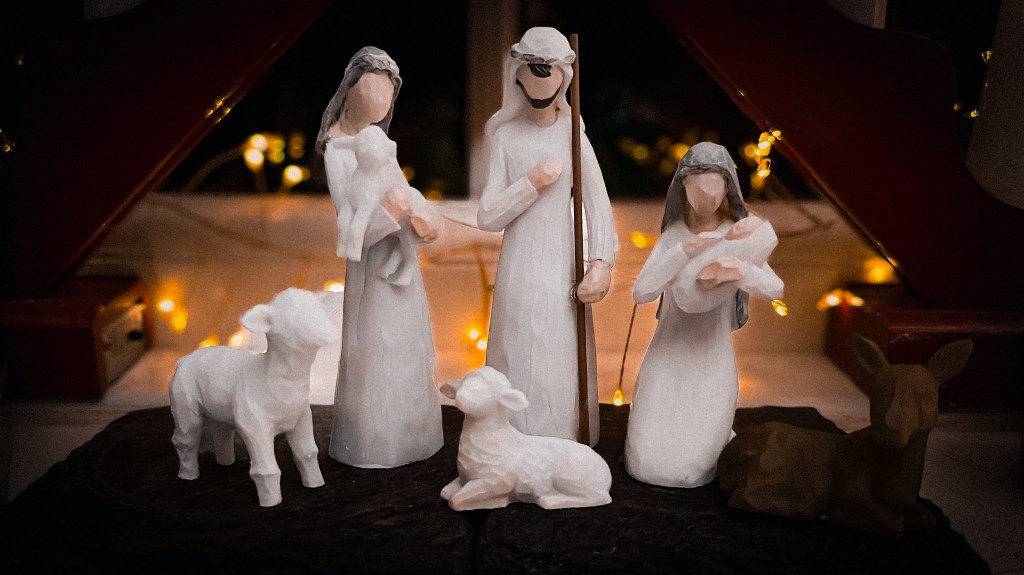
My partner knows I’ve been finding things difficult lately, she knows this year has in some ways crushed me and that my faith has become so important to me. We had said it would be nice to feel a little more of the Christmas spirit, with that, I came home to my first gift this Christmas, a nativity scene which I have banged on about being missing from our Christmas setup for years.
 Basecamp Recovery