

Truth is stranger than fiction, but it is because Fiction is obliged to stick to possibilities; Truth isn’t.
Mark Twain
Trigger Warning: This post discusses sensitive topics.
In today’s era of Artificial Intelligence (AI), the image often evoked is one akin to catastrophic Hollywood scenarios or the ominous future portrayed in films like Terminator or The Matrix.
While the debate primarily revolves around theoretical concepts, there exist tangible, darker forces contributing to the escalating global epidemic of problematic behavior linked to pornography. Similar to substance abuse, the model of escalation indicates that yesterday’s threshold becomes today’s norm. When applied to pornography consumption, this progression can be alarming.

A recent post in an outdoor enthusiast community sparked my contemplation about the seismic shifts happening beneath our feet in the realm of AI.
Estimates suggest that approximately 98% of deepfake porn constitutes non-consensual pornography. While unsurprising, the findings from the IWF’s study make for uncomfortable reading.
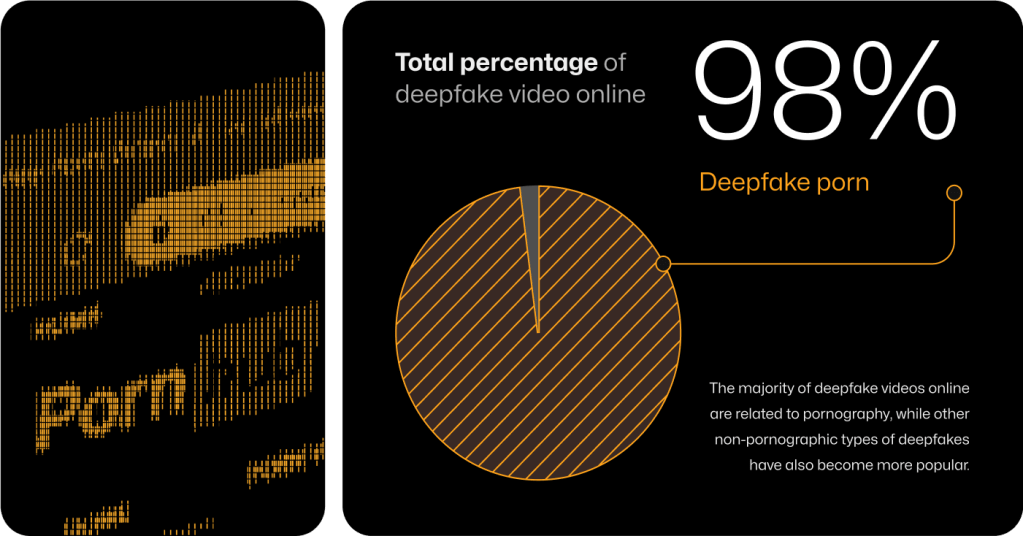
What’s distressing is the projected rapid growth of this trend. If AI-generated imagery of this nature proliferates offline, discerning and removing Child Sexual Abuse Material (CSAM) from online platforms, and distinguishing real from fake, will become an increasingly arduous task.
The lack of awareness surrounding online content consumption is disquieting. Past examples, such as The Sun newspaper’s publication of images of a 16-year-old model in the late ’80s, only recently held accountable, highlight societal objectification. Moreover, the coupling of offline content creation with the distorted belief that online consumption is victimless intensifies the challenge of combating this issue.
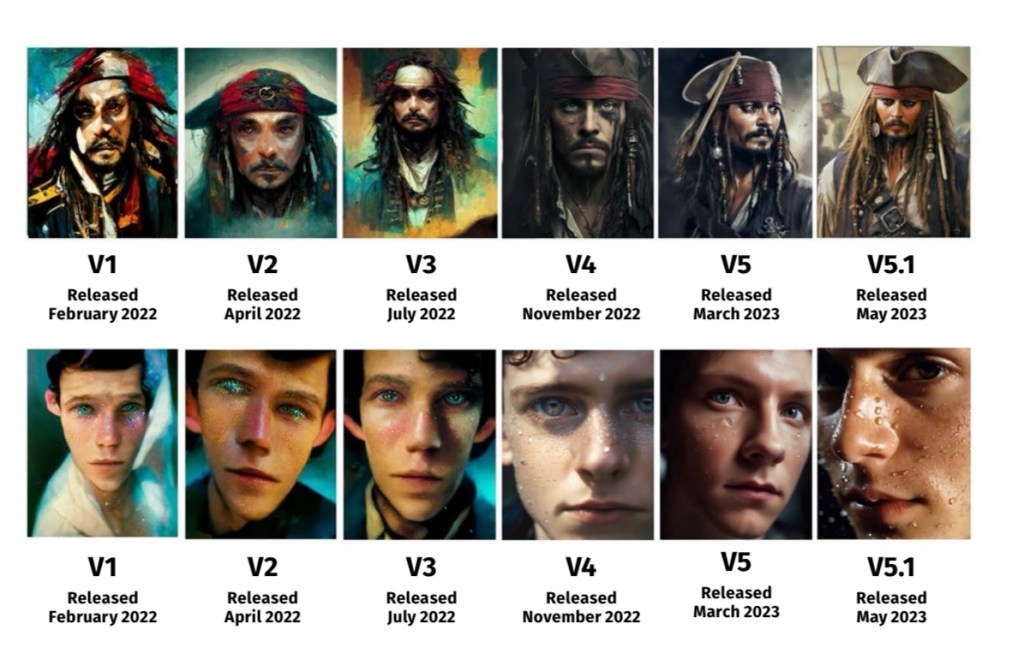
Personally, having entered recovery before the full surge of this issue, I fear a potential increase in individuals, especially young men, veering from “normal” consensual pornography toward darker, illegal content and fantasies.
I’ve witnessed the shock on young men’s faces when they realize the potential legal implications of seemingly innocuous content like animations or anime. As legislation begins to encompass non-consensual deepfakes, the normalization of such content on mainstream sites challenges the claims of those who view the porn industry as harmless and empowering to women.
The future presents a daunting prospect in the realm of addressing the scale of Sex Addiction. While my life’s mission revolves around redeeming past mistakes, I’m deeply concerned about the escalating present situation.
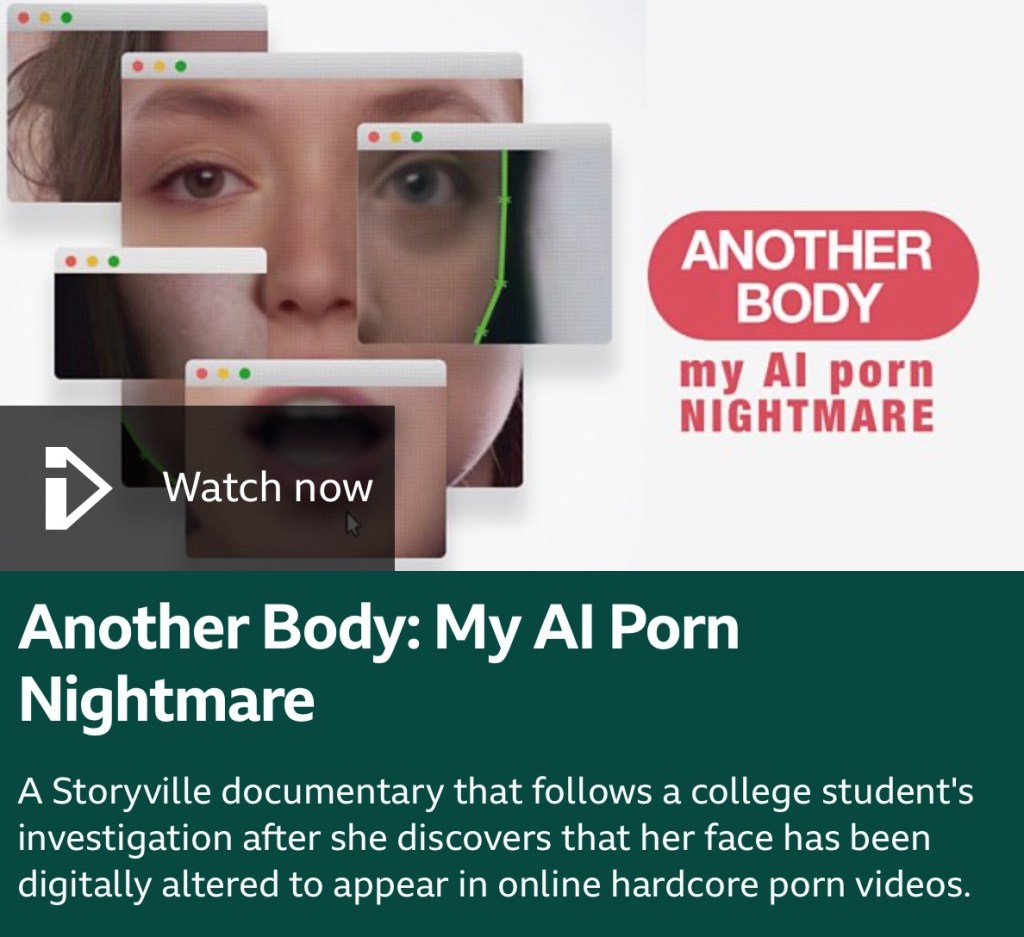
https://www.bbc.co.uk/programmes/m001w2jr
I hope for a wake-up call among more individuals to challenge the perilous consequences of blindly consuming pornography. Initiatives like “nofap” and “No Nut November” attempt to address this issue, yet I notice a rise in startups targeting symptoms of this problem, aiding young men facing erectile dysfunction, hormonal imbalances, and premature ejaculation. This echoes the early stages of tobacco being linked to cancer, with the industry dismissing initial concerns.
In conclusion, like any technology, the responsibility lies with the user – whether for good or ill. I’ve experienced technology’s darker side as a destructive force, but within recovery, it can serve as a tool with proper boundaries, accountability, and regulated screen time.
If you find yourself stumbling upon this post with concerns about escalating online pornography consumption beyond your control, consider exploring other posts on this site. If you’re trapped in repetitive behaviors, there’s help available at the link below:
Further Reading:
 Basecamp Recovery