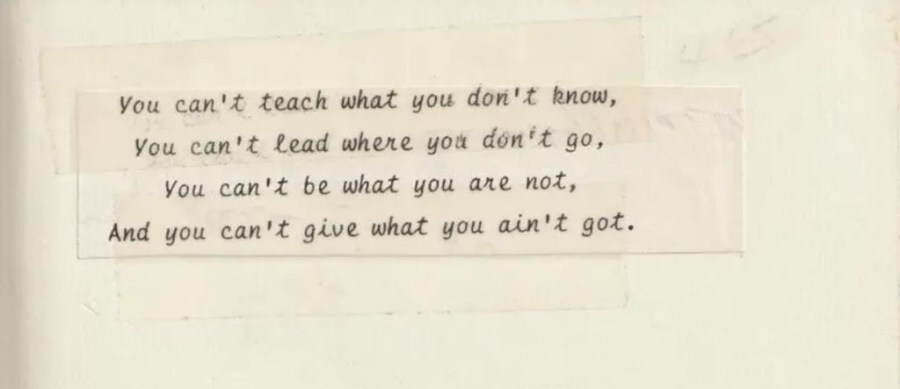
“We become what we think about most of the time.”
Earl Nightingale
I remind myself often that I am not my thoughts; it is the first rule of therapy in application. Whether it’s intrusive thoughts of sexual fantasy or, as I experienced in the past, ones of my own demise, it is important that I know how to dismiss dangerous thinking.
Thoughts are crucial because they lead to actions. We are what we do with the first thought. For addicts, that’s usually the difference between recovery and relapse. We also have to be vigilant of distorted thinking creeping back into our lives.
I am finding that how I spend my time really matters. What has my focus generally determines what I think about.
“Do not conform to the pattern of this world, but be transformed by the renewing of your mind.” – Romans 12:2
This scripture is one I come back to time and time again because most of my distorted thinking creeps in when I compare what’s dangerous for me to what is harmless to others. Comparing myself (an addict) to my friends (people with the ability to stop) usually sparks boundary behaviors in my thought life. An example being something like Instagram; I need screen time limits and to be locked out of using it during nighttime hours. I may think I can stick to a couple of funny dog videos, but it would easily become a whole night of “pesting” as I scroll and click away through hundreds of girls’ accounts.
It’s just like the big book says about half-measuring and pushing boundaries with the first thought.
“Suddenly, the thought crossed my mind that if I were to put an ounce of whiskey in my milk, it couldn’t hurt me on a full stomach. I ordered a whiskey and poured it into the milk. I vaguely sensed I was not being any too smart but felt reassured as I was taking the whiskey on a full stomach. The experiment went so well that I ordered another whiskey and poured it into more milk. That didn’t seem to bother me, so I tried another.” Thus started one more journey to the asylum for Jim. – Page 36, Alcoholics Anonymous
I write this as a sponsor reflecting on my own failures, hoping that it can help fellows find their own way. I can say that the program taught me to fail in a forward direction, and I am now able to share how my own examples of “the whiskey and milk” hampered my progress and prolonged my pain.
The most dangerous distorted thinking I found in early recovery is “All or Nothing” thinking. It’s the mindset that says a thought entered my mind, I’ve internalized it and got triggered, maybe I should act out; I’m as good as there already. It’s childlike thinking to me, and it reminds me of when I was a young boy. I would have such a perfectionist approach to coloring that if I messed up and colored outside the lines, I would tear the page out and pretend it didn’t happen. It was that thinking that kept me in shame and addiction as an adult.
The more I spend immersed in service, recovery, spirituality, and my outer circle lifestyle, the less space my old thinking gets in my mental hard drive.
The program is one of rituals as our old rituals and best thinking landed us in a room every week with other addicts sat in plastic chairs and that’s if we are the lucky ones, some never find help and recovery, some only find misery, rejection, jail or even death.
I’ve recently started reading my Recovery Bible, and it’s great to see so much twelve-steps application to scriptures in the side notes and devotional parts. Suddenly, these stories from thousands of years ago, the same screwy humans with the same distorted thinking and failings, give me comfort, knowing they too found grace and a chance to move on beyond their failings.
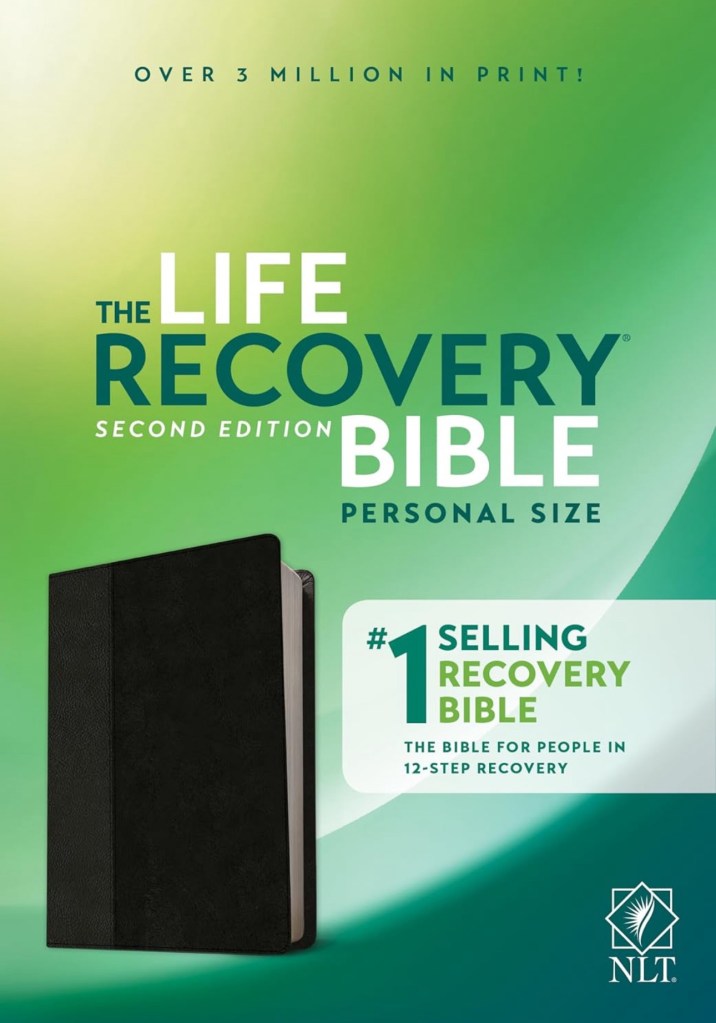
If the Big Book and the Bible are considered brainwashing literature, I am the first to admit mine is a brain that needs washing. Hell, I will chuck it on a rinse and repeat myself.
 Basecamp Recovery