I really feel an overwhelming sense of gratitude tonight for the program and the fellowship, I shared tonight about how I feel at times, that I step back into the ring with myself and it feels a lot like the old days. As I shared it dawned on me that my “acting in” can have a dual aspect to it, I rely heavily on looking at myself and reflecting on things but sometimes spending time alone with the mirror can get dark. My language was that of struggle and in reality, serenity is peace in the waves so the “room” was pointing out something to me tonight that helps me to correct my compass.
So we know what acting out is, so let’s look at acting in, what is it?
Acting in is a concept in addiction recovery that refers to turning one’s attention inward and focusing on inner experiences, thoughts, and emotions. It is a process of self-reflection and self-awareness that can help individuals identify triggers and patterns of behaviour related to addiction, as well as develop coping skills and strategies to manage cravings and urges.
Acting in involves a deliberate effort to cultivate mindfulness and presence in the moment, as well as an acceptance of one’s internal experiences without judgment or avoidance. This can be challenging, as individuals in addiction recovery often have a history of numbing or avoiding emotions and experiences through engaging in addictive behaviours.
By practising acting in, individuals can learn to identify and address underlying emotional and psychological issues that may contribute to addiction, such as anxiety, depression, trauma, or low self-esteem. It can also help individuals develop a greater sense of self-awareness and self-compassion, which can be instrumental in the recovery process.
Some common techniques for practising acting in, in addiction recovery include meditation, journaling, art therapy, and cognitive-behavioural therapy (CBT). These techniques can help individuals develop greater self-awareness and mindfulness, as well as provide an outlet for expressing and processing difficult emotions and experiences.
While acting in can be a positive and helpful approach to addiction recovery, it can also have negative consequences if it is taken too far or used inappropriately. Here are some ways that acting in can be negative:
- Avoidance: One of the risks of acting in is that it can become a way of avoiding difficult emotions or situations. While it is important to be aware of and process internal experiences, it is equally important to engage with the outside world and face challenges and stressors head-on. If acting in becomes a way of avoiding or numbing emotions, it can hinder rather than facilitate recovery.
- Isolation: Another risk of acting in is that it can lead to isolation and social withdrawal. While it is important to cultivate self-awareness and introspection, it is equally important to maintain social connections and support networks. Isolation can lead to feelings of loneliness and despair, which can contribute to relapse.
- Rumination: When individuals engage in acting in, they may spend a lot of time analyzing and dissecting their thoughts and emotions. While this can be helpful in moderation, excessive rumination can lead to a negative spiral of negative self-talk and obsessive thinking. This can increase feelings of anxiety and depression, which can also contribute to relapse.
- Lack of action: Acting in can sometimes be seen as a substitute for action or change. While it is important to be self-aware and reflective, it is equally important to take concrete steps towards recovery, such as seeking treatment, engaging in healthy activities, and building a support system.
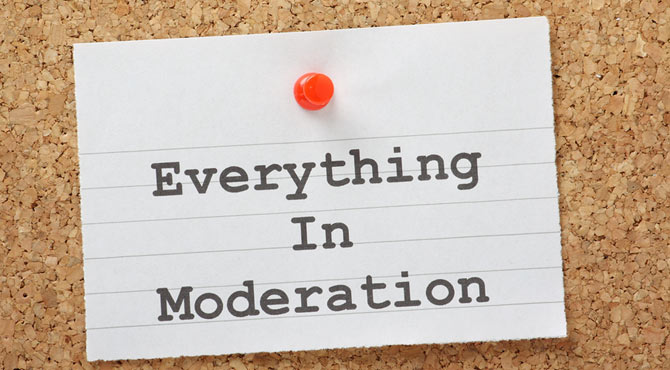
While acting in can be a helpful approach to addiction recovery, it is important to use it in moderation and in conjunction with other strategies. Balancing my acting in with my connection to others is a key aspect of addiction recovery. By cultivating social connections and seeking support from others, individuals in addiction recovery can enhance their overall well-being and increase their chances of achieving lasting recovery.
To put it simply, reaching out to others has to accompany my routine of self-care, it’s why calls are so important to 12 Steppers, today was a great day, I had about 5 calls, a meeting and did a bit of service purchasing as my role requires.
Here’s to serenity and peace within the noise, remembering one day at a time and don’t go it alone.
Here’s a song I can’t get out of my head
 Basecamp Recovery