I think childhood trauma or emotional loss is the universal template for addiction
Gabor Maté

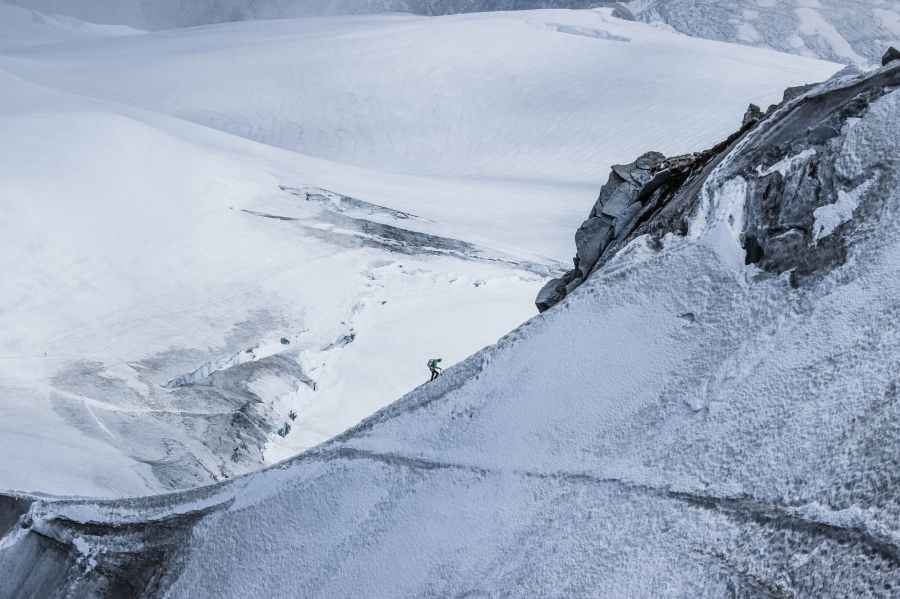
I am a Sex Addict and this is my first blog post. Recovery feels like a mountain but I can’t go back.
I want to take the time to explain that my addiction has always worked in a cycle, deeply buried and hidden from the world, I conflated deceptive secrecy with personal privacy and I lived a double life hidden from loved ones and family.
It was as though my brain was a partitioned hard drive, on one side lived the version of me that has always been outgoing and seemingly confident, a version of me that would often be projected through the medium of social media and interaction. The colleague, the friend, the partner, and the uncle.
On the other side of the partition was the closed curtain, late-night porn-binging obsessive-compulsive.
An addict with conflicting operating systems is destined to crash and need a complete reboot. To understand such personal destructive behaviour, you have to trace the cord back to the wall.
Paula Hall is a leading therapist in this field and explains the OAT model
Opportunity
My problem with pornography has been with me for as long as I can remember. I am of an age where my first encounter was through magazines and VHS tapes.
At the age of 12, a scrunched-up nude picture under the bed was swapped out by my parents for a black bag full of top-shelf magazines. I always thought I must have had cool parents, but I see now this was not helpful to healthy development and my needs for healthy boundaries and safeguarding were not met. I might have run with this and taken it to places I never meant to but this was my origin.
Attachment
I never felt an attachment to a father, my biological father was someone my mother had to escape early on in my life, he was a physically abusive man, and my earliest memories were of fear and domestic abuse.
Later in childhood, my stepfather was more inward and quiet. I would spend so much of my childhood trying to figure out why he was in such a mood. Communication and acceptance were always something I strived for and only now do I understand that my identity had been sculpted on the pursuit of this unrealised status of legitimacy through a longing for some sense of adoption.
Trauma
One of the exercises through my private therapy was to establish a timeline of trauma in my life, this might be broken down into two types, “big T” Trauma and “little t” trauma. Only when I went through this exercise did I see just how much I had experienced and the common thing I did, was to box it up and say to myself no time for indulging in self-pity, and have to get on with things.
Alongside this timeline of trauma I also established a timeline of my porn & sexual behaviours, the porn & sex journey had peaked at similar times to these traumas, and I often previously felt that masturbation and pornography were like some sort of self-medication.
Understanding your path is vital to the acceptance stage of this, what this looks like for you will be unique to you.
As Paula Hall says in her video, Opportunity is just growing exponentially with technology, and in my personal experience, my habits evolved and escalated as technology advanced. I often feel like I wish I had existed in a time when such novelty didn’t exist. Watching TV the other day I felt this clip resonated with such feelings.
So today take the time to deep dive into your own attic, what have you boxed and boarded up?
Have you been self-medicating the whole time?
In a world that says “It’s just porn” I will use Basecamp Recovery to share my experiences and lessons, I intend to show that pornography is not only a cause of erectile dysfunction and premature ejaculation, but the ever-increasing need for dopamine can ruin your life unless you arrest your fall.
A hijacked reward system can turn your whole life upside down.
For me to get through life intact I now have to devote my every day to the idea of no longer being a blind consumer of pornography. I hope others will join me.
 Basecamp Recovery