


I get triggered by Christians who can’t hold two things at the same time. I came across a thread about a grace and union centred podcast possibly having Russell Brand on. With everything going on around the allegations and the court case coming up, it’s stirred up a whirlwind of emotionally charged responses.
Let me be clear. I’m fairly progressive and left leaning. My respect for Brand comes from the recovery space not necessarily his journey into Christianity or his politics.
I’m not defending him as a fanboy. I simply wish him well as a fellow addict in recovery and obviously a fellow man carrying regrets over behaviours of years gone by.
A lot of the responses focused on safety for survivors, saying that platforming him makes it no longer a safe space. I get that. I really do. But something in me got hit when I read it. That familiar feeling of, if they knew my story, I’d be written off too.
As he made an admission of having a sexual relationship with a 16 year old at 30, the disgust and rage of the comments struck me in my core. At 29, I slept with a 17 year old. For years, I wore that like a badge of honour, fuel for a toxic version of masculinity. I’ve also consumed pornography, including content shaped by exploitation and abuse. That’s part of my story. Not the whole of me, but it’s there. The immediate voice in my head. “I am scum”
As someone in recovery from sex addiction, and someone who leans hard into grace and restoration, it can feel like there’s no room for nuance when I see demands for the unforgivable ones to be thrown to the fire. I’ve felt that before and I’ll likely feel it again. We live in a culture that often wants to exile the perpetrator completely. Some sins are seen as beyond redemption.
But I believe God is for the healing of the victim and the redemption of the perpetrator at the same time. Not one or the other. Both. He doesn’t erase the past as if it never happened. He redeems it. He meets us in it and transforms what feels irredeemable.
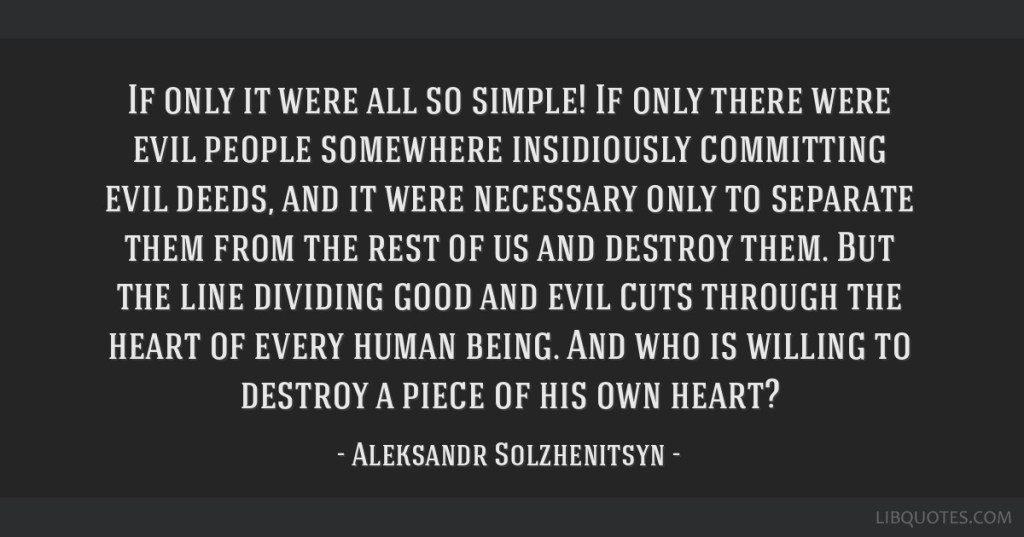
The truth is, most of us carry both of these roles in different ways. Victim and perpetrator. Maybe not in the same measure or the same visibility, but the line is thinner than we like to admit.
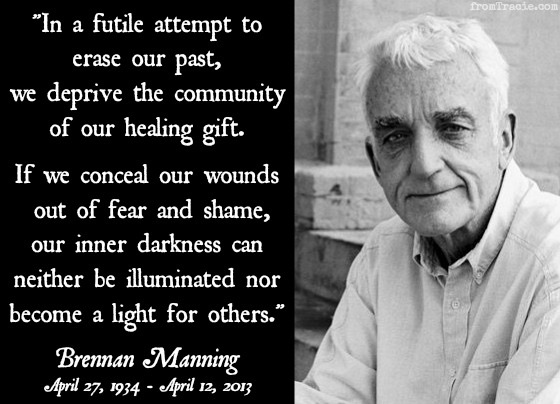
I live with parts of my story that I don’t lead with. Not because I’m hiding, but because sharing that level of detail isn’t always wise or helpful. Sometimes it’s like pulling the pin on a grenade. There are places for that kind of honesty, and I’m grateful I have them.
A new friend of mine said, “Being honest isn’t the same as disclosure, but without honesty, there is no relationship”
And this is the tension. None of us fully knows what another person carries. The worst thing they’ve done. The harm they’ve survived. The work they’re doing to change.
For me, grace isn’t about minimising harm or bypassing justice. It’s about holding space for truth in all its weight. Naming what’s broken without pretending that redemption isn’t possible.
That’s not an easy place to stand. But it feels like the only honest one.
Paul Young’s The Shack has stayed with me for years because it refuses to resolve this tension neatly.
Mack is shaped by deep childhood abuse. That pain leads him, as a boy, to kill his own father. It’s a secret he buries for years until it is brought into the light and met by God, not with condemnation, but with healing.
In that story, Mack is both victim and perpetrator.
And then the tension deepens. He is also a grieving father, faced with the man who took his daughter, Missy. The story doesn’t offer easy answers or quick justice. Instead, it dares to explore the possibility of forgiveness in a place most of us would rather not go.
That’s why it stays with me.
Because it doesn’t flatten people into categories. It doesn’t pretend that the harm isn’t real. But it also doesn’t give up on redemption, even in the darkest places.
It holds the same tension I feel in my own story, and in the stories of others.
That somehow, grace can meet both the wounded and the one who wounds.
Not to excuse. Not to minimise.
But to redeem.
 Basecamp Recovery